Contents:
- The Art of Gratitude Through Flowers
- Understanding Thank You Flowers in Modern Etiquette
- The 48-Hour Sweet Spot: Why Timing Matters
- Event-Specific Timing Guidelines
- Business Events and Professional Gatherings
- Wedding Receptions and Major Celebrations
- Dinner Parties and Home Entertaining
- Thank You for Mentoring or Advice
- Help During Difficult Times
- How Long Can You Wait? The Limits of Delayed Gratitude
- Seasonal and Practical Timing Considerations
- Seasonal Flower Availability
- Day of the Week Logistics
- Geographic Delivery Challenges
- What the Pros Know
- Sustainability and Eco-Conscious Bouquet Timing
- Pairing Flowers with Handwritten Notes
- Common Timing Mistakes to Avoid
- Ordering Before the Event Happens
- Sending Flowers Immediately During the Event
- Waiting Too Long Out of Guilt
- Assuming One-Size-Fits-All Bouquets
- The Psychology Behind Thank You Flowers
- How to Decide If You Should Send Flowers at All
- Send Flowers When:
- Consider Other Gifts When:
- Ordering and Delivery Best Practices
- Special Arrangements: Eucalyptus and Alternative Botanicals
- FAQ: Thank You Flower Timing Questions
- Is same-day flower delivery too fast for a thank you?
- What if I can only send flowers three weeks after an event?
- Should I send flowers for every thank you situation?
- Can I send flowers before expressing thanks in person?
- What’s the etiquette if someone tells me they’re allergic to flowers?
- The Lasting Impact of Timely Gratitude
The Art of Gratitude Through Flowers
A freshly wrapped bundle of blooms arrives at the doorstep, and immediately the room shifts. The vibrant colors catch afternoon light, their delicate petals releasing subtle fragrance into the air. The recipient pauses, instinctively pulling off the card, their eyes moving across your handwritten message. In that moment, a bouquet transcends simple decoration—it becomes a physical representation of genuine thanks, more personal than an email and more immediate than a handwritten letter arriving days later.
The practice of sending thank you flowers has roots deeper than most etiquette rules. These gifts serve a specific social function: they acknowledge someone’s effort, time, or kindness in a way that feels neither obligatory nor excessive. But the magic of this gesture lives in timing. Send flowers too quickly after an event, and they may feel premature or like you’re rushing through the gratitude checklist. Wait too long, and the moment fades into the background of everyone’s busy lives.
Understanding when to send a thank you bouquet requires balancing several practical and social considerations. The type of event matters. The relationship with the recipient matters. Even the season and flower availability influence the decision. This guide walks through every scenario, helping you navigate the timing question with confidence and cultural awareness.
Understanding Thank You Flowers in Modern Etiquette
Thank you flowers occupy a unique space in modern manners. Unlike sympathy flowers, which follow specific conventions, or congratulatory arrangements, which respond to defined milestones, thank you bouquets adapt to countless situations. You send them after someone hosts you for dinner. You send them after a colleague mentors you. You send them after a business partner closes a successful deal. You send them after a friend drives across town to help you move.
What unites all these scenarios is gratitude that words alone don’t capture. A simple “thanks” at the moment feels insufficient. A phone call or text message, while appreciated, lacks permanence. A thank you card is thoughtful but increasingly uncommon. Flowers, however, create a moment. They sit on a table or shelf for days. They brighten a room and remind the recipient of your appreciation each time they glance at the arrangement.
The modern bouquet has also evolved. Traditional thank you flowers used to follow strict color rules—red roses for romance, yellow for friendship, white for sympathy. Contemporary flower culture has become far more flexible. You can send nearly any arrangement as a thank you, provided it feels appropriate to your relationship and the event’s tone. A wildflower mix works just as well as structured roses. A sunflower arrangement might feel more genuine than traditional florals. The authenticity of the gesture matters far more than adherence to outdated color coding.
That flexibility, however, can create uncertainty about the one decision that still matters: when to actually send them.
The 48-Hour Sweet Spot: Why Timing Matters
Professional etiquette experts generally agree on a window: 48 hours to one week after an event. This timing accomplishes several goals simultaneously. First, it proves you’ve genuinely registered and processed the event rather than dashing off a generic thank you with no real thought. Second, it sits within the attention span of most recipients—they still vividly remember the occasion and your specific role in it. Third, it demonstrates thoughtfulness without seeming obsessive.
The 48-hour mark holds particular significance. When you send flowers within two days of an event, you signal that the person mattered enough to make their thanks a priority. You’ve thought about them before moving on to the next task. This timing works especially well for formal events like business dinners, awards ceremonies, or professional networking functions. For a formal thank you, anything beyond 48 hours starts to feel like an afterthought.
The window extends further for casual situations. If a friend hosted a backyard barbecue or a neighbor helped carry boxes into your new apartment, sending flowers up to one week later remains completely appropriate. This longer window reflects the less formal nature of the relationship and event. It also acknowledges that casual events happen on weekends or during busy periods, and you might not have access to ordering flowers immediately.
A key psychological principle supports this timing strategy: the recency effect. People’s memories are freshest immediately after an event. Sending flowers within a few days capitalizes on this mental state. The recipient will connect the flowers directly to the specific thing they did. They’ll reread your handwritten note and remember precisely why they’re getting this gift. By contrast, flowers arriving after two or three weeks feel disconnected from the original event, as if your appreciation is an afterthought rather than a genuine response.
Practical consideration also supports this timeframe. Flowers peak in freshness during their first week. Ordering within 48 hours to one week ensures the bouquet arrives at maximum beauty and longevity. The recipient will enjoy the arrangement at its best, and they’ll experience it as a premium gift rather than something that’s already beginning to fade.
Event-Specific Timing Guidelines
While the general window remains 48 hours to one week, specific events call for tailored approaches. Understanding these variations helps you demonstrate awareness of social nuance and genuine appreciation.
Business Events and Professional Gatherings
For events tied to your career or professional relationships, move faster. Send thank you bouquets within 48 hours of a business dinner, professional conference, job interview, or corporate meeting. This timing reflects the professional context where promptness signals seriousness. If someone spent their evening hosting you for a business dinner or their morning interviewing you for a position, flowers arriving the next day feel appropriately responsive.
Pair the flowers with a brief, formal note. Thank the person specifically for their time and, if relevant, note something substantive you discussed. This combination of timing and personalization demonstrates professionalism. Many professionals receive generic thank you notes all the time; your combination of fast timing and specific reference to what you discussed will stand out.
For events like conferences or networking mixers where you met multiple people, send flowers to your primary contact—perhaps the person who introduced you to the group or spent the most time with you—within 48 hours. Don’t attempt to send individual bouquets to everyone you met; that crosses from appreciative into excessive.
Wedding Receptions and Major Celebrations
Weddings operate under different rules. If you’ve been invited as a guest, the couple expects your thanks to arrive within 48 hours to one week, but not necessarily in flower form. A handwritten thank you card (possibly accompanied by a gift) typically suffices for wedding guests. However, if you held a significant role—you were a bridesmaid, groomsman, or parent involved in major hosting duties—sending flowers to the bride or groom’s home within a few days is entirely appropriate and adds a personal touch beyond the standard card.
For rehearsal dinners or bridal showers, where the gathering is smaller and more intimate, flowers within 48 hours make excellent sense. These events involve someone opening their home or planning ahead specifically for a smaller group, and flowers acknowledge that personal effort nicely.
Dinner Parties and Home Entertaining
The person who hosted you in their home deserves flowers, and the ideal timing is within 48 hours. After someone spends hours planning, cooking, and hosting, flowers should arrive while the dinner party still resonates as a positive memory. This timing feels warm and appreciative without being excessive.
If you’re attending a casual dinner on Saturday evening, flowers arriving Monday or Tuesday feel perfectly timed. This allows for weekend delivery if desired, or it gives you time to order before the Monday rush. The key is arriving within that Monday-to-Wednesday window if the dinner was Friday or Saturday.
Thank You for Mentoring or Advice
Someone spent time mentoring you, providing career advice, or giving you guidance on a major life decision. When do flowers make sense? This situation is more flexible than event-based scenarios. You could send them within a few days of a significant mentoring conversation, or you might space them out over a longer period if the mentoring relationship spans weeks or months.
The safest approach: send flowers within one week of a particularly helpful mentoring session. If the mentoring is ongoing, consider flowers at natural milestones—after they’ve helped you achieve a specific goal, or at the end of a defined mentoring period. This spacing prevents the gesture from becoming formulaic while still expressing genuine gratitude.
Help During Difficult Times
Someone helped you during a challenging period—they drove you to the hospital, stayed with you through a crisis, or provided significant emotional support. When should thank you flowers arrive? Here, timing can extend slightly. You might not feel ready to send flowers immediately after a difficult event. Sending them within one to two weeks, once the crisis has stabilized, feels appropriate and considerate. The flowers then serve as a bridge from that difficult moment into recovery, and they maintain connection during a period when you’re likely still processing.
The note accompanying the flowers gains importance in this context. Acknowledge specifically what the person did and how it impacted you. Skip generic gratitude and be genuine.
How Long Can You Wait? The Limits of Delayed Gratitude
The one-week marker represents the outer edge of “timely thanks.” Beyond one week, the gesture starts feeling increasingly late. After two weeks, flowers arrive as an obligatory afterthought. After three weeks, any flower gift feels confused about its own purpose—the recipient may wonder what event or favor is even being acknowledged.
That said, a bouquet arriving late is still better than no bouquet at all. If you genuinely forgot to send flowers or only recently realized you wanted to express gratitude, don’t let perfectionism stop you. A beautiful arrangement arriving three weeks late, paired with a note acknowledging the delay and explaining why the person’s kindness stayed with you, is authentic and touching. The important point is the genuine appreciation, not perfect timing.
The exception to the one-week rule is when you’re sending flowers as a planned gift rather than an immediate thank you. If you’re sending flowers as part of a larger thank you package—perhaps along with a charity donation made in someone’s name—timing becomes less critical. Just ensure everything arrives within a reasonable timeframe that clearly connects to the event or action you’re thanking them for.
Seasonal and Practical Timing Considerations
Beyond social timing, practical factors influence when to send thank you flowers. The season affects flower availability and delivery speed. The day of the week matters for logistics. The recipient’s location shapes delivery options.
Seasonal Flower Availability
Spring and summer offer peak flower availability. During these seasons, nearly any bloom you want is in season, prices are reasonable, and flowers have exceptional longevity because they’re harvested at optimal times. If your event occurs during spring or summer months, you have maximum flexibility in timing. You could send flowers at day two, day three, day five—any point within the 48-hour-to-one-week window will showcase beautiful, long-lasting arrangements.
Winter presents different challenges. Certain flowers become scarce and expensive. Ranunculus, garden roses, and tropical flowers dominate winter bouquets. Delivery may slow due to weather. If your thank you event occurs in December or January, consider ordering within the 48-hour window to ensure availability and secure delivery before potential winter weather complications. You might also look toward evergreens, winter berries, and preserved flowers that offer beauty during scarce seasons.
Fall (September through November) sits comfortably in between. Dahlias, chrysanthemums, and sunflowers are plentiful. Delivery logistics are smooth. You can safely order within the full one-week window without worrying about availability or seasonal constraints.
Day of the Week Logistics
If your event happens on a Friday evening, ordering flowers on Saturday for Monday delivery puts you within the 48-hour-to-one-week sweet spot while working around weekend delivery limitations. Some flower delivery services offer weekend delivery at premium prices, but most deliver Monday through Friday on standard schedules.
If your event happens on a Tuesday or Wednesday, you can order that day or the next for delivery later in the week, landing comfortably within 48 hours to one week. Mid-week events offer maximum flexibility for timing.
Weekend events (Saturday morning garden party, Sunday dinner, etc.) should trigger orders by Monday to hit the 48-hour-to-one-week window. Waiting until Friday to send flowers for a Saturday event misses the immediate impact window and risks weekend delivery fees.
Geographic Delivery Challenges
If you’re sending flowers to someone in a rural area or small town, ordering within 48 hours ensures delivery reaches them within that critical 48-hour-to-one-week window. Some areas take longer for delivery logistics. Ordering immediately increases confidence that flowers will arrive at the right time.
If the recipient is international, timing extends slightly. Factor in international delivery times, which might take one to two weeks. In this case, order immediately after the event to account for these delays. The flowers will arrive later, but you’ve moved as quickly as possible, and the gesture still registers as genuine thanks.
What the Pros Know
Sustainability and Eco-Conscious Bouquet Timing
Environmentally aware gift-givers might wonder whether timing affects the sustainability of their flower gift. The answer is nuanced. When you order flowers within 48 hours of an event, you’re ordering closer to actual delivery, which reduces waste from flowers sitting in warehouses or coolers. This timing minimizes the carbon footprint associated with storage and repeated handling.
Additionally, prompt delivery means the recipient gets maximum enjoyment from the flowers before they naturally fade. A bouquet arriving late means the flowers are already several days old, reducing vase life and increasing the likelihood of waste. Receiving flowers at peak freshness (which happens with prompt delivery) means they’ll last longer, be enjoyed more fully, and feel less wasteful.
For the most eco-conscious approach, look for florists using locally-sourced, seasonal flowers—which is easier when you order promptly rather than requesting unusual out-of-season blooms. A flower delivery company My Peonika offers arrangements made from locally-grown and sustainable options, ensuring your thank you gift aligns with environmental values. Seasonal flowers also have a shorter travel distance, reducing transportation emissions.
You might also consider preserved flowers or dried arrangements as a thank you gift. These last significantly longer than fresh flowers, reducing waste. A dried wildflower bouquet or preserved eucalyptus arrangement creates a beautiful thank you gift that doesn’t spoil. Ordering these requires less urgency around timing, since dried flowers don’t deteriorate quickly, but you can still aim for the one-week window to maintain the “prompt thank you” signal.
Pairing Flowers with Handwritten Notes
The flowers themselves matter, but the card transforms them from decoration into genuine thanks. Florists include small printed cards, but here’s what professionals know: handwritten notes change perception dramatically. When flowers arrive with a personal, handwritten message, recipients perceive the gesture as significantly more thoughtful and genuine.
If you’re ordering through a florist, request that they include your handwritten note or card. Write it before you order. Be specific: reference something the person said or did during the event. Instead of “Thank you for having us,” try “Thank you for hosting us Saturday—your stories about your travels kept everyone entertained for hours.” This specificity proves you’re not just executing a thanks-giving ritual; you’re genuinely remembering and appreciating them.
Keep the note brief. Two to three sentences works beautifully. Longer notes risk feeling like obligation; shorter notes feel warm and genuine. Sign the card personally, even if someone helped you order the flowers.
If timing allows, handwrite the note after the event but before you order flowers. This ensures your emotion and memory are fresh, and your words will feel genuine rather than generic.
Common Timing Mistakes to Avoid
Ordering Before the Event Happens
Never pre-order flowers before an event, intending to have them delivered immediately after. This approach removes the element of choice and personalizes—you can’t adjust based on how the event actually went or what the recipient mentioned wanting. Additionally, pre-ordered flowers feel automated rather than thoughtfully chosen in response to a specific experience. Let the event happen, experience it, and then order flowers in response. This genuine sequence matters psychologically.
Sending Flowers Immediately During the Event
If you’re at an event and flowers arrive while it’s still happening, the timing feels awkward. The recipient is preoccupied, perhaps hosting other guests, and can’t give the flowers proper attention. Additionally, this timing removes the pleasant surprise element. Wait until the event concludes and the recipient has time to process and appreciate the flowers as a separate gift moment.
Waiting Too Long Out of Guilt
Some people avoid sending thank you flowers because they feel guilty about waiting. They think, “I should have sent them days ago,” and this guilt snowballs until they’re months late or they skip sending flowers entirely. Here’s the truth: a bouquet arriving a week late is infinitely better than no bouquet. If guilt is preventing you from sending flowers, bypass your internal critic and order them now. The recipient will be happy, and the timing—while not perfect—still communicates appreciation.
Assuming One-Size-Fits-All Bouquets
Trying to send the same standard bouquet to multiple people from the same event often backfires. It feels impersonal and generic. If you’re sending thank you flowers to multiple people (perhaps several colleagues who participated in an event), try to customize each arrangement slightly. Different colors, different flowers, different sizes—these small variations signal that you’re thanking each person specifically rather than executing a mass gesture. This customization also justifies slightly different timings if needed.
The Psychology Behind Thank You Flowers
Understanding why flowers work as thank you gifts clarifies why timing matters. Flowers activate multiple senses simultaneously—visual beauty, fragrance, tactile delicacy. They require the recipient to engage with the gift; you can’t ignore flowers sitting on a table the way you might ignore a text message. They create a moment, a pause in the day when the recipient stops to appreciate the blooms and read your note.
Flowers also signal intention. Sending flowers requires thought and action. You had to choose a florist, select flowers, write a note, and arrange payment. This effort communicates that the person mattered enough to warrant your time and attention. A thank you card or text message involves minimal effort by comparison; flowers demonstrate genuine investment in expressing appreciation.
The timing of flowers amplifies this effect. When flowers arrive promptly—within 48 hours to one week—they interrupt the recipient’s daily life in a positive way at a moment when they’re still thinking about the event. You’re extending the positive experience. If flowers arrive months later, that moment has passed, and the gift feels obligatory rather than genuinely moved by appreciation.
How to Decide If You Should Send Flowers at All
Not every event warrants flowers. Understanding when thank you flowers make sense (and when other gestures work better) helps you choose appropriately.
Send Flowers When:
- Someone hosted you in their home
- A professional colleague spent significant time on your behalf
- Someone provided substantial help during a difficult period
- You attended a formal event as someone’s guest
- A mentor or advisor gave you valuable guidance
- Someone went out of their way to assist you with something important
- A service provider (photographer, planner, etc.) delivered exceptional work
Consider Other Gifts When:
- The recipient has allergies or explicitly dislikes flowers
- You’re thanking a large group and flowers would be impractical
- The relationship is very casual and flowers feel like overstatement
- Your gratitude is ongoing and repeated flowers would feel excessive
- The recipient has limited space for flowers (very small apartment, hospital patient with allergies, etc.)
If flowers feel wrong for the situation, consider alternatives: a handwritten note, a small gift card, a donation made in their name, or a follow-up invitation to thank them in person. The medium matters less than the genuine expression of gratitude.
Ordering and Delivery Best Practices
Once you’ve decided on timing, executing the order well ensures the flowers arrive beautifully. Use a local florist if possible—they understand regional seasonal availability and typically deliver faster than national chains. If you’re ordering online, check delivery fees and timelines before committing.
When selecting an arrangement, choose seasonal flowers that will last. Spring tulips, summer roses, fall dahlias—these are reliable and fresh. Consider the recipient’s aesthetic: do they prefer structured formal arrangements or wildflower looseness? Do they love colorful blooms or prefer whites and greens? A bouquet that matches their taste shows you know them.
For a particularly meaningful thank you, look for options like flower delivery thank you arrangements specifically designed with gratitude in mind. Many florists now offer curated thank you bouquets that pair beautiful flowers with messaging that resonates.
If you’re ordering in person or over the phone, tell the florist the context for the flowers. They can suggest arrangements that fit the occasion and tone. A business thank you calls for different energy than flowers thanking a close friend.
Schedule delivery for the specific date rather than requesting it to arrive “sometime that week.” This ensures flowers arrive when you intend, capitalizing on your chosen timing. Most florists can deliver on the exact day you need if you order with enough notice.
Special Arrangements: Eucalyptus and Alternative Botanicals
If traditional bouquets feel overdone, consider distinctive alternatives that still communicate gratitude beautifully. Eucalyptus arrangements have gained popularity recently—they’re sophisticated, long-lasting, and have a distinct aesthetic that stands out. An eucalyptus-focused bouquet paired with a few complementary flowers creates an elegant thank you that feels current and thoughtful.
Options like https://mypeonika.com/collections/eucalyptus-flower-bouquet showcase how modern florists create distinctive arrangements using greenery and botanicals as stars rather than filler. These arrangements appeal to recipients who appreciate contemporary design and sustainability (eucalyptus and foraged botanicals often have lighter environmental footprints than heavily cultivated flowers).
Dried flowers and preserved arrangements offer another distinctive route. They last months or years, making them a thank you gift that keeps giving. A dried wildflower bundle or preserved rose arrangement sends a message: your kindness matters enough that I wanted to send something that lasts.
FAQ: Thank You Flower Timing Questions
Is same-day flower delivery too fast for a thank you?
Same-day delivery (flowers arriving within hours) feels too immediate unless you’re acknowledging something extraordinary like someone visiting you at the hospital. Same-day delivery is more appropriate for apologies or urgent congratulations. For thank you flowers, waiting until the next day or the day after feels more thoughtful and less reactive. The recipient benefits from a brief window to reflect on the event before receiving your flowers, making the gift feel like a considered response rather than an automatic gesture.
What if I can only send flowers three weeks after an event?
Send them anyway. A late thank you is better than no thank you. In your note, acknowledge the delay: “I’m a bit late in sending these, but your help has stayed with me, and I wanted to make sure you knew how grateful I am.” This honesty transforms a timing imperfection into authenticity. The recipient will likely appreciate the late flowers far more than they’d appreciate no flowers at all.
Should I send flowers for every thank you situation?
No. Reserve flowers for situations where the person did something notably generous, time-intensive, or above-and-beyond their normal obligations. A cashier who processes your transaction doesn’t deserve flowers. A colleague who stayed late to help you with a project deserves them. The distinction hinges on effort and generosity. If you’d feel comfortable asking a person for a favor again, they probably deserve flowers if they help you.
Can I send flowers before expressing thanks in person?
Absolutely. Sending flowers and then following up in person works beautifully. The flowers initiate the thank you gesture, and your in-person thanks deepen it. This approach works especially well if you’re going to see the person again soon—flowers arrive first, creating anticipation, and then you can thank them face-to-face. The combination of both gestures communicates sincere appreciation.
What’s the etiquette if someone tells me they’re allergic to flowers?
Ask what they’d prefer. Many people with allergies appreciate the thought of flowers but need a different format. Options include potted plants (sometimes less allergenic), dried flowers, plants without flowers, gift cards, or small gifts. The willingness to adjust your thank you gesture to their needs often means more than the specific gift itself. Someone who explicitly thanks you for respecting their allergies has recognized that you centered their comfort, which is its own form of appreciation.
The Lasting Impact of Timely Gratitude
Thank you flowers seem like a small gesture in a world of hurried transactions and digital communication. Yet they remain remarkably powerful. A well-timed bouquet arriving within 48 hours to one week after an event creates a moment of genuine human connection. The recipient pauses, reads your handwritten note, and receives tangible proof that their actions mattered enough for you to remember them, choose flowers that suit them, and arrange delivery.
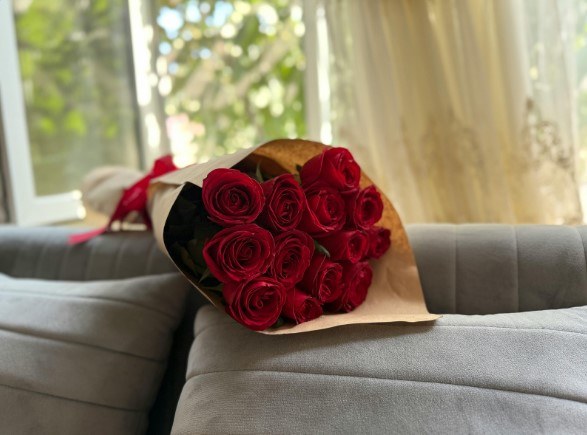
The timing itself communicates. Flowers arriving promptly tell the recipient: you were on my mind. I thought of you soon after our time together. Your kindness was important enough to warrant immediate action. These messages, conveyed through the simple act of ordering flowers at the right moment, strengthen relationships and leave lasting positive impressions.
Whether you’re thanking a professional mentor, a friend who hosted you, or someone who helped during a difficult time, the principle remains the same: move relatively quickly, personalize with a handwritten note, and choose flowers that reflect genuine appreciation. Master this timing, and you’ll find that your gratitude not only gets expressed but genuinely felt.

