Contents:
- The History Behind Motherhood Flowers
- Top Motherhood Flowers and What They Symbolize
- Carnations: The Original Mother\’s Day Flower
- Peonies: Abundance and a Happy Life
- Roses: More Nuanced Than You Think
- Tulips: Cheerful, Simple, Sincere
- Chrysanthemums: A Global Symbol of Motherly Love
- Lilies: Purity, Devotion, and Renewal
- Carnations vs. Roses: Which Is the True Motherhood Flower?
- DIY Flower Arrangement Tips for a Meaningful Bouquet
- Choosing the Right Combination
- Making Cut Flowers Last Longer
- Growing Motherhood Flowers at Home
- Motherhood Flowers FAQ
- What flower is the official symbol of motherhood?
- What flowers are best for a Mother\’s Day bouquet?
- What flowers symbolize a mother\’s love?
- Are there flowers that symbolize new motherhood or pregnancy?
- Can I grow motherhood flowers in containers?
- Plan Your Next Mother\’s Day Garden Now
Most people assume roses are the ultimate symbol of motherhood. Roses are gorgeous, sure — but that assumption misses the flower that\’s held that title for over a century. Motherhood flowers have a rich, specific history, and once you understand the symbolism behind each one, choosing the right bloom becomes a whole lot more meaningful (and more fun).
Whether you\’re picking up a bouquet, planting a garden bed, or putting together a DIY arrangement, this guide covers everything: origin stories, color meanings, growing tips, and real pricing so you know exactly what you\’re working with.
The History Behind Motherhood Flowers
The connection between flowers and motherhood didn\’t start with greeting card companies. Anna Jarvis, the founder of Mother\’s Day in the United States, chose the white carnation as the official emblem when she organized the first Mother\’s Day celebration in Grafton, West Virginia, in 1908. Her mother had loved white carnations, and Anna saw them as a symbol of a mother\’s pure, enduring love.
By the time Mother\’s Day became a national holiday in 1914, florists were already capitalizing on the tradition. Pink and red carnations joined white ones — pink for living mothers, white for those who had passed. That color code is still recognized today by many florists and customers across the US.
Ancient cultures had their own floral tributes too. Greeks and Romans offered lilies to Cybele and Juno, goddesses associated with motherhood and fertility. The lily\’s trumpet shape and white petals symbolized purity and divine protection — a meaning that carried forward into Christian iconography, where lilies became associated with the Virgin Mary.
Top Motherhood Flowers and What They Symbolize
Carnations: The Original Mother\’s Day Flower
No flower is more directly tied to Mother\’s Day than the carnation. Pink carnations symbolize a mother\’s undying love, while red carnations represent admiration. A single white carnation worn as a corsage was the traditional way to honor a mother on the holiday for decades.
Carnations are also one of the most budget-friendly options. Expect to pay $8–$15 for a dozen at a grocery store floral department, or $20–$35 from a florist for a mixed arrangement. They last 10–14 days in a vase — longer than almost any other cut flower.
Peonies: Abundance and a Happy Life
Peonies have been cultivated in China for over 2,000 years and carry associations with good fortune, happy marriages, and feminine beauty. In the US, they bloom May through June — which lines up perfectly with Mother\’s Day timing.
A peony bouquet from a florist typically runs $40–$80, depending on the season and variety. If you\’d rather grow your own, bareroot peony plants cost $10–$25 at garden centers and will come back every year once established. They\’re perennials hardy in USDA zones 3–8, which covers most of the continental US.
Roses: More Nuanced Than You Think
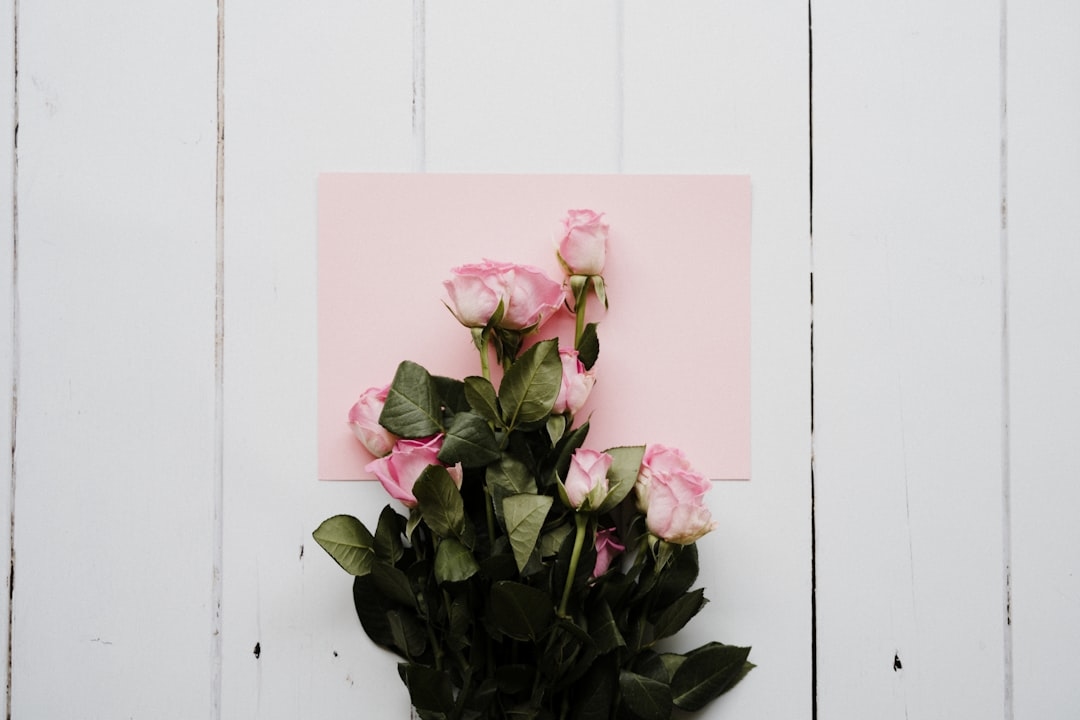
Yes, roses are romantic — but pink roses specifically carry a motherhood meaning. Light pink roses symbolize admiration and sweetness; deep pink roses convey gratitude and appreciation. A dozen pink roses is one of the most searched-for Mother\’s Day gifts in the US every spring.
Budget around $25–$60 for a dozen from a reputable US florist. Online delivery services like 1-800-Flowers or Teleflora often run promotions in early May, so ordering 7–10 days ahead can save you 15–20%.
Tulips: Cheerful, Simple, Sincere
Tulips represent perfect love and caring — exactly the feelings most people associate with a great mom. They come in almost every color, making them easy to customize. Red tulips say “I love you,” while yellow tulips convey cheerful thoughts, and purple tulips traditionally represent royalty and respect.
Tulips are one of the easiest flowers to grow yourself. Plant bulbs in fall (October–November in most US zones), and they\’ll emerge in March–April. A bag of 25 mixed tulip bulbs costs around $12–$18 at garden retailers — an affordable way to build a lasting garden tribute.
Chrysanthemums: A Global Symbol of Motherly Love
In many Asian cultures — particularly in China, Japan, and Korea — chrysanthemums are the go-to flower for honoring mothers and elders. In the US, mums are fall staples, but florists carry them year-round in a rainbow of colors. White mums symbolize loyalty; yellow mums represent gentle love.
Potted chrysanthemums are especially practical. A 6-inch potted mum runs $6–$12 at most garden centers and can be planted outdoors in zones 5–9 after the bloom fades.
Lilies: Purity, Devotion, and Renewal
Stargazer lilies and Easter lilies are both strongly associated with motherhood, particularly in Christian traditions. White lilies symbolize purity and renewed life; orange and pink stargazers represent ambition and prosperity. Lilies are a top-five most popular cut flower in the US market.
One practical note: lilies are highly toxic to cats. If you\’re gifting to a household with feline family members, choose a different bloom.
Carnations vs. Roses: Which Is the True Motherhood Flower?
This is one of the most common points of confusion when shopping for a meaningful bouquet. Roses dominate Valentine\’s Day, and that romantic association bleeds into Mother\’s Day purchases — but carnations have a far deeper, more direct connection to the holiday\’s origins.
- Carnations: Historically designated as the Mother\’s Day flower; longer vase life; more affordable; available in symbolic pink, red, and white
- Roses: More widely recognized as a luxury gift; pink roses carry maternal symbolism but are not Mother\’s Day-specific; higher price point
The verdict: if you want symbolism, go carnations. If you want wow-factor and your mom loves roses, go roses — just choose pink over red to lean into the maternal meaning.
DIY Flower Arrangement Tips for a Meaningful Bouquet
Choosing the Right Combination
Mixing flowers amplifies meaning. Try pairing pink carnations with white lilies and green filler (like eucalyptus or ferns) for a classic, feminine arrangement. A peony-and-tulip combo in soft blush tones reads modern and romantic. Budget around $25–$40 total for a grocery store DIY bouquet that rivals a florist arrangement.
Making Cut Flowers Last Longer
- Cut stems at a 45-degree angle before placing in water — this increases the surface area for water uptake.
- Remove any leaves that fall below the waterline to prevent bacterial growth.
- Use the flower food packet included with most bouquets; it contains a sugar source, an acidifier, and a biocide.
- Change the water every 2 days and recut stems each time.
- Keep arrangements away from direct sunlight and ripening fruit, which emits ethylene gas that accelerates wilting.
Growing Motherhood Flowers at Home
Starting a small dedicated garden bed is a deeply personal project and a gift that lasts for years. A raised bed with peonies, tulips, and carnations can cost as little as $50–$80 to establish including soil amendments, bulbs, and starter plants. Carnations (dianthus) are particularly rewarding — they\’re heat-tolerant, deer-resistant, and re-bloom reliably in zones 6–9.
Motherhood Flowers FAQ
What flower is the official symbol of motherhood?
The pink carnation is the official symbol of motherhood in the United States. Anna Jarvis designated the carnation as the Mother\’s Day flower when she founded the holiday in 1908. White carnations honor mothers who have passed away, while pink and red carnations celebrate living mothers.
What flowers are best for a Mother\’s Day bouquet?
The best Mother\’s Day flowers are pink carnations, peonies, pink roses, tulips, and lilies. Peonies are especially popular because they bloom naturally in May. A mixed bouquet combining two or three of these flowers typically costs $35–$65 from a US florist.
What flowers symbolize a mother\’s love?
Pink carnations most directly symbolize a mother\’s love. Beyond carnations, pink roses represent maternal admiration, peonies represent a nurturing and abundant life, and white lilies represent the purity of a mother\’s devotion.
Are there flowers that symbolize new motherhood or pregnancy?
Yes. Daisies symbolize new beginnings and innocence, making them a popular choice for baby showers and new mom gifts. White tulips also represent new life and fresh starts. Sunflowers, which represent warmth and adoration, are another cheerful option for welcoming a new baby.
Can I grow motherhood flowers in containers?
Absolutely. Tulips, carnations, and chrysanthemums all grow well in containers at least 12 inches deep. Use well-draining potting mix and place pots where they\’ll receive 6 hours of sunlight daily. Container-grown carnations can bloom from late spring through fall with regular deadheading.
Plan Your Next Mother\’s Day Garden Now
The best time to start planning a motherhood flower garden is earlier than you think. Fall bulb planting (September–November) sets you up for tulip and peony blooms the following May. Carnation seedlings can be started indoors 8–10 weeks before the last frost date in your area.
Check the USDA Plant Hardiness Zone Map at planthardiness.ars.usda.gov to confirm which flowers thrive in your specific region — it\’s free, ZIP-code-specific, and updated as recently as 2026. Armed with that info, you can build a garden bed that comes back every spring as a living tribute to the moms in your life.
Start small: one raised bed, two or three flower varieties, and a clear plan. The result will outlast any store-bought bouquet — and it\’s a project you can genuinely be proud of.