Contents:
- The Language of Apology: Why Flowers Work
- Top Flowers That Mean I'm Sorry
- White Tulips — Forgiveness and Fresh Starts
- Purple Hyacinths — The Most Literal “I'm Sorry”
- White Roses — Sincere and Timeless
- Yellow Roses — A Lighter Apology
- Lavender — Calm and Healing
- Regional Differences in Apology Flower Traditions
- How to Build the Perfect Apology Bouquet
- Timing and Presentation Matter as Much as the Flower
- Flowers to Avoid When Apologizing
- FAQ: Apology Flowers Answered
- What is the best flower to say I'm sorry?
- Do flowers actually help with apologies?
- What color roses mean I'm sorry?
- How much should I spend on an apology bouquet?
- Can I send an apology flower arrangement for a non-romantic apology?
- Ready to Say Sorry with Flowers?
Flowers have been used as apology tokens for over 400 years — and Victorian-era floriography (the coded language of flowers) actually developed much of its vocabulary specifically around expressing guilt, remorse, and the desire for reconciliation. Long before a text message or a phone call was an option, a carefully chosen bloom delivered the message. Today, that tradition is alive and thriving, with the U.S. floral industry processing more than $2.1 billion in flower sales around emotionally significant moments each year.
Choosing the right sorry flower isn't about grabbing whatever's at the grocery store checkout. It's about matching the bloom's symbolic weight to the sincerity of the moment. Here's everything you need to know.
The Language of Apology: Why Flowers Work
There's a reason a bouquet lands differently than a verbal apology alone. Research from Rutgers University found that receiving flowers triggers an immediate positive emotional response in 100% of recipients — and that emotional “uplift” lasts for days. When you pair that physiological response with a flower that carries a specific, culturally understood meaning, you create something genuinely powerful.
The key is intentionality. Handing someone red roses when you're apologizing sends the wrong signal entirely — red roses mean romantic passion, not remorse. Getting specific about your bloom choice signals that you put real thought into the gesture, which itself is part of the apology.
Top Flowers That Mean I'm Sorry
White Tulips — Forgiveness and Fresh Starts
White tulips are the go-to apology flower for most professional florists. In floral symbolism, white represents purity and new beginnings, while the tulip specifically carries the meaning of “I want to start over.” A bunch of 10–12 white tulips typically runs $25–$45 at a florist, making them an accessible yet meaningful choice. They work equally well for a friendship fallout, a family disagreement, or a romantic misstep.
Purple Hyacinths — The Most Literal “I'm Sorry”
If you want a flower whose meaning is essentially unambiguous, purple hyacinths are your answer. In the Victorian language of flowers, purple hyacinth directly translates to “I am sorry” and “please forgive me.” They're fragrant, visually striking, and available from late winter through early spring. A potted hyacinth (which lasts far longer than a cut stem) costs around $12–$20 and makes a lasting impression.
White Roses — Sincere and Timeless
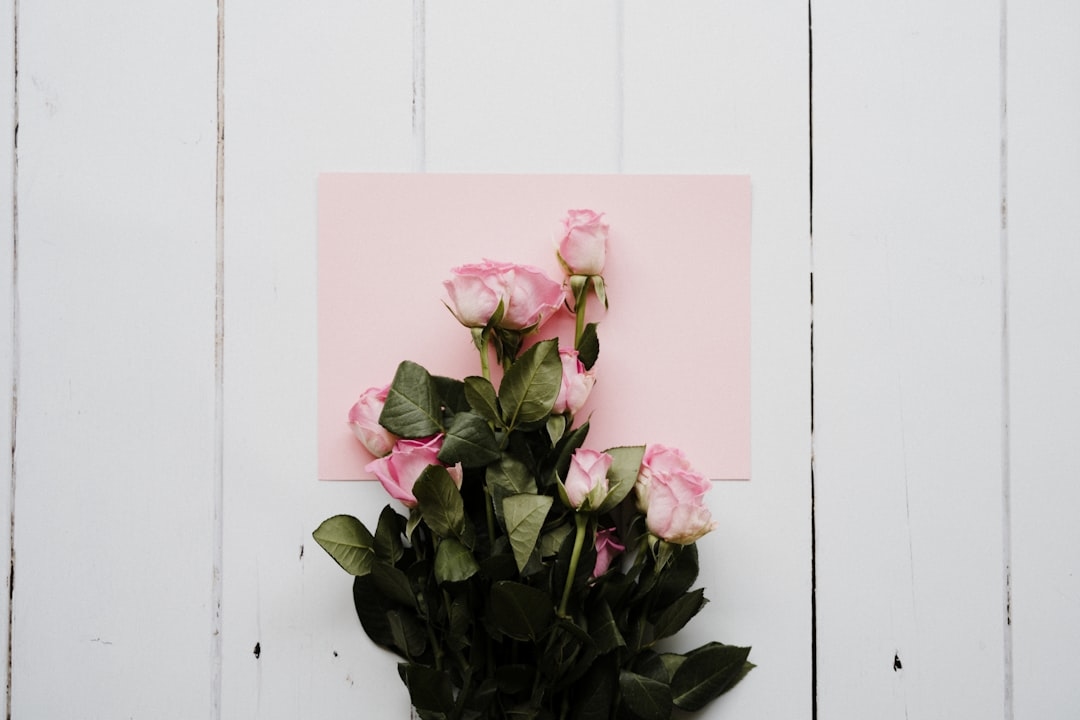
Not all roses carry the same message. White roses symbolize humility, reverence, and pure intention — exactly the energy you want in an apology. They're also one of the most universally understood blooms in American culture. A dozen white roses averages $40–$70 depending on the season and your region. Pair them with sprigs of eucalyptus for added elegance without adding mixed messages.
Yellow Roses — A Lighter Apology
Yellow roses signal warmth, care, and a desire to reconnect — without the heavier emotional weight of white. They're ideal for smaller rifts: a forgotten birthday, a missed lunch, a slightly sharp comment. In a friendship context, yellow roses say “I value you and I'm sorry I let that show.” Expect to pay $30–$55 for a well-arranged dozen.
Lavender — Calm and Healing
Lavender (the plant, not just the color) symbolizes devotion and calm. Gifting a bundle of dried or fresh lavender alongside another sorry flower communicates that you're committed to peace — not just in this moment, but going forward. It's also a practical gift: lavender can be dried and kept, giving the recipient something that lasts beyond the initial gesture.
Regional Differences in Apology Flower Traditions
What counts as an appropriate sorry flower can vary more than you'd expect across the U.S. In the Northeast — particularly New York and Boston — white roses and hydrangeas dominate apology arrangements. Florists in that market lean toward classic, structured bouquets that signal sophistication and sincerity. In the South, magnolias and gardenias carry deep cultural resonance around dignity and grace, making them popular additions to apology bouquets, especially for family or community relationships. On the West Coast, particularly in California, wildflower-style arrangements mixing white anemones and blue delphiniums are trending as a modern, heartfelt alternative to traditional apology blooms.
How to Build the Perfect Apology Bouquet
Knowing which blooms carry the right meaning is step one. Putting them together effectively is step two. Here's a practical approach:
- Choose a primary “sorry” flower — white tulips or purple hyacinths as the focal bloom.
- Add a complementary bloom — white roses or lavender to deepen the message.
- Include a green accent — eucalyptus, fern, or Italian ruscus to frame the arrangement without distracting from the flowers' meaning.
- Skip the filler — baby's breath is lovely in other contexts, but it can make an apology bouquet feel generic. Ask your florist to leave it out.
- Write a handwritten note — even three specific sentences carry more weight than any pre-printed card. Be direct about what you're apologizing for.
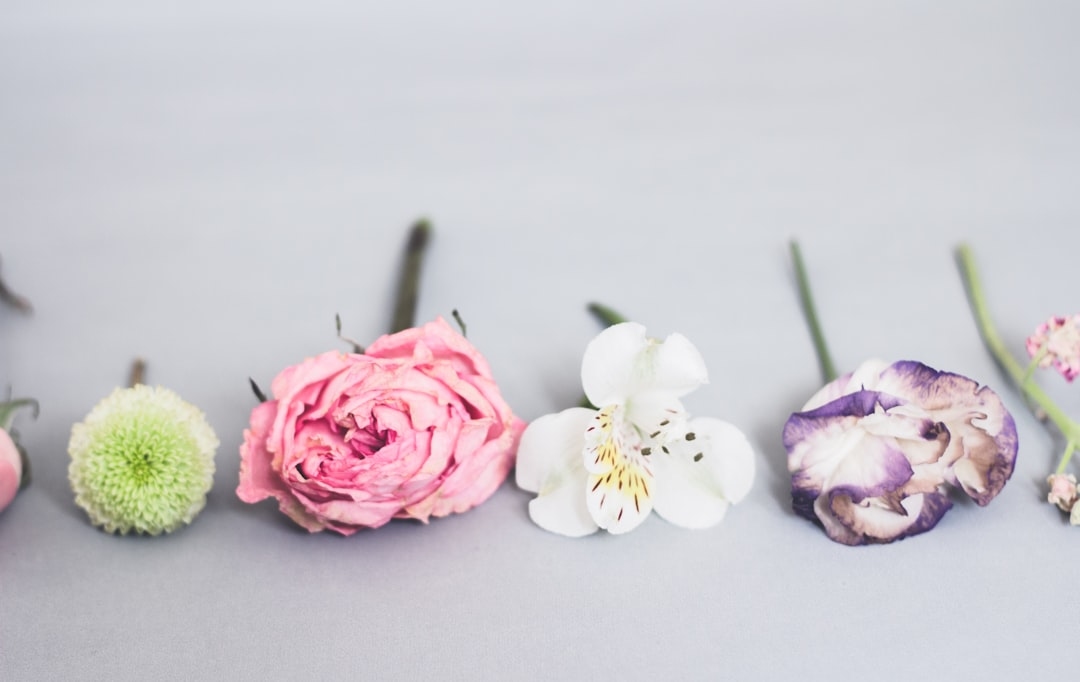
Budget-wise, a thoughtfully assembled apology bouquet from a local florist typically runs $45–$90. Same-day delivery from national services like 1-800-Flowers or Teleflora ranges from $55–$120 depending on arrangement size and delivery window.
Timing and Presentation Matter as Much as the Flower
The most meaningful sorry flower in the world loses impact if it arrives three days after the incident. Studies on conflict resolution suggest that apologies are most effective when delivered within 24–48 hours of the event. Order same-day delivery or hand-deliver the arrangement while the wound is still fresh enough to heal quickly.
Presentation counts too. A cellophane-wrapped grocery store bunch says something very different from a florist-arranged bouquet tied with ribbon. If you're going local, ask for the arrangement to be wrapped in kraft paper with a water source — it looks intentional, not rushed.
Flowers to Avoid When Apologizing
Some blooms carry symbolism that actively undermines an apology:
- Red roses — romantic passion, not remorse.
- Orange lilies — associated with hatred and disdain in floral symbolism.
- Yellow chrysanthemums — while cheerful, they symbolize slighted love in traditional meanings.
- Mixed wildflower bunches — without clear intention, these can read as casual rather than sincere.
FAQ: Apology Flowers Answered
What is the best flower to say I'm sorry?
The white tulip is widely considered the best im sorry flower because it specifically symbolizes forgiveness and new beginnings. Purple hyacinths are a strong alternative, as they carry a near-literal translation of “I am sorry” in traditional floriography.
Do flowers actually help with apologies?
Yes. Research from Rutgers University found that receiving flowers produces an immediate positive emotional response in recipients, which creates a more receptive environment for an apology to land. Flowers alone don't replace words, but they lower emotional defenses and signal genuine effort.
What color roses mean I'm sorry?
White roses are the correct choice for an apology. They symbolize humility, purity of intention, and reverence. Red roses mean romantic passion. Yellow roses convey warmth and friendship — appropriate for lighter apologies, not serious ones.
How much should I spend on an apology bouquet?
A meaningful apology bouquet from a local florist typically costs between $45 and $90. The size of the gesture should match the weight of the situation — a casual oversight warrants something different from a significant mistake. Avoid going so budget that it reads as an afterthought.
Can I send an apology flower arrangement for a non-romantic apology?
Absolutely. White tulips, purple hyacinths, and lavender are all appropriate for friendships, family relationships, and even professional contexts. The key is choosing blooms that carry a platonic, sincere meaning rather than romantic ones. A simple, elegant white tulip arrangement works in almost any context.
Ready to Say Sorry with Flowers?
The right sorry flower, chosen with care and delivered with a handwritten note, can open a door that words alone sometimes can't. Start with white tulips or purple hyacinths as your anchor bloom, build around them with intention, and order sooner rather than later — timing is everything. Search for a local florist who can help you personalize the arrangement, or use a reputable same-day delivery service if distance is a factor. Your apology deserves to show up looking like you meant it.