Contents:
- Why Some Flowers Thrive Without Soil
- The Best Flowers That Grow in Water Without Soil
- Paperwhite Narcissus
- Hyacinths
- Peace Lily (Spathiphyllum)
- Lucky Bamboo with Water Lilies
- Impatiens and Begonias from Cuttings
- Setting Up Your Water Garden: What You Actually Need
- A Reader Story Worth Repeating
- Common Mistakes to Avoid
- Practical Tips for Keeping Your Water Blooms Thriving
- Frequently Asked Questions
- Can flowers really grow in water without soil indefinitely?
- What flowers grow in water without soil and no fertilizer?
- How do I prevent algae in my water vase?
- Can I grow flowers in water without soil indoors year-round?
- What container works best for growing flowers in water?
- Start Small, Then Go Bigger
You don\’t need a single handful of dirt to grow a stunning, blooming plant. That\’s not a gardening hack or a workaround — it\’s just how some flowers are wired. Growing flowers in water without soil is one of the most satisfying experiments a hobbyist gardener can try, and once you see roots threading through a glass vase, you\’ll wonder why you didn\’t start sooner.
This technique falls under hydroponics and a related method called “vase propagation” or water culture. The core idea: roots absorb nutrients directly from water, skipping soil entirely. Some flowers do this naturally. Others can be coaxed into it with a little setup. Either way, the results are genuinely beautiful — and endlessly conversation-starting on a windowsill.
Why Some Flowers Thrive Without Soil
Plants need water, oxygen, light, and nutrients. Soil is just one delivery mechanism for those last two. When you remove soil from the equation, you need to either use nutrient-enriched water or choose plants that store enough reserves in their bulbs or stems to sustain themselves. That\’s the key distinction between flowers that survive briefly in water (like cut flowers) and ones that genuinely grow in water long-term.
Bulb-based flowers are particularly well-suited. Bulbs are packed with stored energy — think of them as a battery. Flowers with fleshy stems or those adapted to marshy environments also tend to adapt well to water culture. The right container matters too: clear glass lets you monitor root health, while darker vessels reduce algae growth. A 6–8 inch tall vase with a narrow neck works well for most bulb flowers, keeping the bulb above water while letting roots dangle below.
The Best Flowers That Grow in Water Without Soil
Paperwhite Narcissus
Paperwhites are the gold standard for soil-free growing. Place bulbs in a shallow dish with pebbles for support, add water just below the base of the bulb, and within 4–6 weeks you\’ll have fragrant white blooms. They prefer cool conditions — between 60–65°F — which slows stem elongation and keeps them from getting floppy. A little-known trick: once shoots are about 1–2 inches tall, replace the water with a 5% alcohol solution (one part 80-proof spirits to seven parts water). Studies from Cornell University found this reduces stem height by up to 50% without affecting bloom quality.
Hyacinths
Hyacinth vases — those hourglass-shaped glass containers — were literally designed for this purpose. The bulb sits in the upper chamber while roots grow down into water in the lower half. Keep the water level just below the bulb base to prevent rot. Chill the bulb in your refrigerator for 12–15 weeks before starting (mimicking winter), then move it to a cool, dark spot for 2–3 weeks once roots appear. When shoots hit 2 inches, bring it into indirect light. Blooms typically arrive in another 3–4 weeks.
Peace Lily (Spathiphyllum)
Peace lilies are one of the few flowering houseplants that will grow indefinitely in water. Remove a healthy plant from its pot, gently wash all soil from the roots, and transfer it to a water-filled container. Add a diluted liquid fertilizer (about ¼ the recommended strength) every two weeks to replace lost nutrients. Peace lilies in water tend to grow more slowly than in soil but can live for years this way. Change the water every 7–10 days to prevent stagnation.
Lucky Bamboo with Water Lilies
Water lilies are the obvious choice for pond-style arrangements, but smaller tropical varieties — like Nymphaea \’Albert Greenberg\’ — can grow in containers as small as 5 gallons. They need full sun (6+ hours daily) and water temperatures above 70°F to bloom reliably. In USDA Hardiness Zones 9–11, you can keep them outdoors year-round. In colder zones, treat them as seasonal or bring them indoors for winter.
Impatiens and Begonias from Cuttings
These workhorses of the garden bed will root and bloom in a simple glass of water. Take a 4–6 inch cutting just below a leaf node, remove the lower leaves, and place the stem in a clear container. Impatiens cuttings often show roots within 10–14 days and will produce flowers shortly after. This is an especially budget-friendly approach — one purchased plant can generate a dozen water-grown cuttings at no extra cost.
Setting Up Your Water Garden: What You Actually Need
The barrier to entry here is low. Here\’s a practical starter list:
- Container: Clear glass shows off roots beautifully; ceramic or opaque containers reduce algae. Avoid metal, which can react with water and nutrients.
- Water: Filtered or distilled water is ideal. Tap water works but let it sit 24 hours to off-gas chlorine.
- Support: Pebbles, glass marbles, or LECA (lightweight expanded clay aggregate, available for about $15–$20 per 10L bag) anchor roots without introducing pathogens.
- Nutrients: For long-term growers like peace lilies, use a balanced liquid hydroponic fertilizer at ¼ strength. Brands like General Hydroponics Flora Series run about $25 for a starter trio.
- Light: Most flowering plants need bright indirect light. A south- or east-facing windowsill is ideal. Supplement with a grow light (10–12 hours daily) in winter.
A Reader Story Worth Repeating
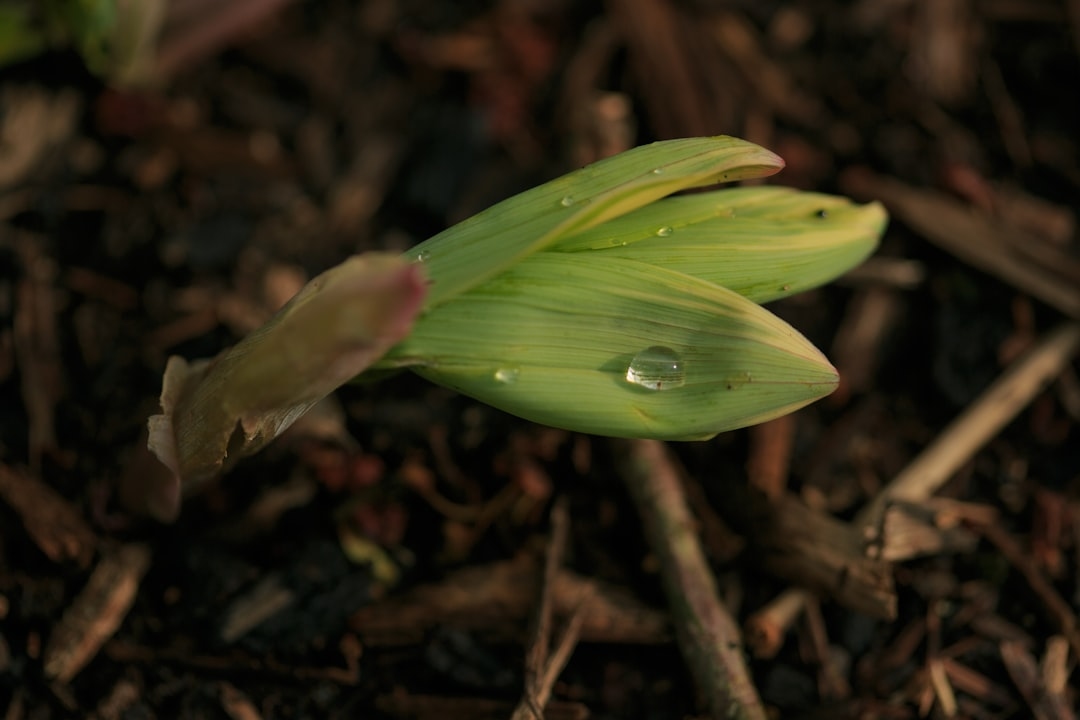
A gardener in Portland, Oregon shared something that stuck with us. She\’d been struggling with root rot in her potted begonias for two seasons straight — too much moisture in the soil, not enough drainage. On a whim, she cut a few stems and dropped them in a mason jar of water on her kitchen counter. Six months later, that jar had become three jars, all blooming, all sitting in her kitchen window. “I stopped fighting the water,” she said. “I just gave in to it.” That\’s really the mindset shift here. Water isn\’t the enemy of roots — in the right setup, it\’s the whole ecosystem.
Common Mistakes to Avoid
- Submerging the bulb base: The bulb or stem base should sit above the waterline. Only roots should touch the water. Direct contact causes rot within days.
- Using cold tap water straight from the faucet: Sudden temperature changes stress roots. Use room-temperature water, always.
- Skipping water changes: Stagnant water depletes oxygen and breeds bacteria. For most setups, change water every 7–10 days.
- Over-fertilizing: More nutrients doesn\’t mean faster growth. At full strength, liquid fertilizers can burn roots. Stick to ¼ strength for water-grown plants.
- Placing in direct harsh sun: Intense afternoon sun heats water rapidly, promotes algae, and stresses roots. Bright indirect light is almost always the better choice.
Practical Tips for Keeping Your Water Blooms Thriving
Once your setup is running, the maintenance is genuinely minimal — but a few habits make a big difference:
- Top off water levels every 2–3 days rather than doing big full changes, which disturbs roots.
- Rinse the container and any pebbles monthly to prevent mineral buildup and biofilm.
- If you notice green algae coating the glass, move the container out of direct light or switch to an opaque vessel.
- For bulb flowers like hyacinths and paperwhites, compost the bulb after blooming — they rarely rebloom in water culture and the energy is spent.
- In winter, supplement light with a full-spectrum LED grow bulb. Even 10 hours of artificial light daily keeps peace lilies producing new blooms through the darkest months.
Frequently Asked Questions
Can flowers really grow in water without soil indefinitely?
Some can, yes. Peace lilies and certain begonia varieties can live and bloom in water for multiple years when given diluted liquid nutrients and fresh water every 7–10 days. Bulb flowers like paperwhites and hyacinths are one-season performers in water — they bloom beautifully but don\’t repeat.
What flowers grow in water without soil and no fertilizer?
Bulb flowers — paperwhites, hyacinths, and tulips — store enough energy in the bulb itself to bloom without added fertilizer. They\’re the easiest starting point. For anything you want to grow longer-term in water, a diluted liquid fertilizer becomes necessary after the first 4–6 weeks.
How do I prevent algae in my water vase?
Use an opaque or colored glass container, keep it out of direct sunlight, and change the water every 7–10 days. Adding a small piece of activated charcoal to the water also inhibits algae growth effectively.
Can I grow flowers in water without soil indoors year-round?
Absolutely. Peace lilies, impatiens cuttings, and begonias all do well as permanent indoor water plants. Pair them with a south-facing window or a grow light for consistent blooms through winter.
What container works best for growing flowers in water?
Clear glass vases (6–8 inches tall with a narrow neck) work well for bulbs. Wide, shallow dishes with pebbles suit paperwhites. For long-term plants like peace lilies, any non-metal container that holds at least 1 quart of water will work well.
Start Small, Then Go Bigger
Pick up a bag of paperwhite bulbs this fall — usually $8–$12 for a pack of five at most garden centers — set them up in a shallow dish with pebbles, and watch what happens over the next six weeks. That first bloom, rising out of nothing but water and a little patience, tends to change how you think about what a garden can be. Once you\’ve got that working, move on to a hyacinth vase, then try rooting some impatiens cuttings from your summer garden. Before long you\’ll have a whole collection of flowers growing in water with no soil — and a habit that\’s genuinely hard to stop.