Contents:
- The Flower Most Petals Champion: Meet the Dahlia
- Other High-Petal Contenders Worth Knowing
- Why Petal Count Matters for Event Planning
- Petal Count vs. Petal Size: A Key Distinction
- Seasonal Availability Calendar for High-Petal Flowers in the US
- Eco-Friendly Picks: High-Petal Flowers with a Lower Footprint
- Practical Tips for Choosing High-Petal Flowers for Your Event
- FAQ: Flower Petal Counts and Event Planning
- What flower has the most petals in the world?
- Do more petals mean a longer vase life?
- Are dahlias a good choice for outdoor summer weddings?
- What\’s the most affordable high-petal flower for large events?
- Can I grow my own high-petal flowers for a DIY wedding?
Most people assume the rose takes the crown for petal count. It\’s lush, it\’s layered, it practically invented the idea of abundance. But here\’s the truth: roses are not even close to the top. The flower with the most petals is one you\’ve almost certainly seen — and probably never thought twice about.
If you\’re planning a wedding, a memorial, a birthday bash, or any event where flowers matter, knowing your petal counts can actually change the look and feel of your arrangements dramatically. Let\’s set the record straight — and make sure you walk away with some genuinely useful picks for your big day.
The Flower Most Petals Champion: Meet the Dahlia
The dahlia holds the record among commonly cultivated flowers for sheer petal count. A single dinner-plate dahlia — the large, show-stopping variety — can carry anywhere from 30 to over 1,000 petals depending on the cultivar. Technically, what we call “petals” on a dahlia are individual ray florets, but visually and practically, they function exactly like petals in an arrangement.
The Dahlia pinnata species, which underpins most garden varieties, has been selectively bred for centuries to produce increasingly complex, layered blooms. Some decorative and ball dahlia types have been documented with petal counts exceeding 500 in exhibition-quality specimens. That\’s not a typo.
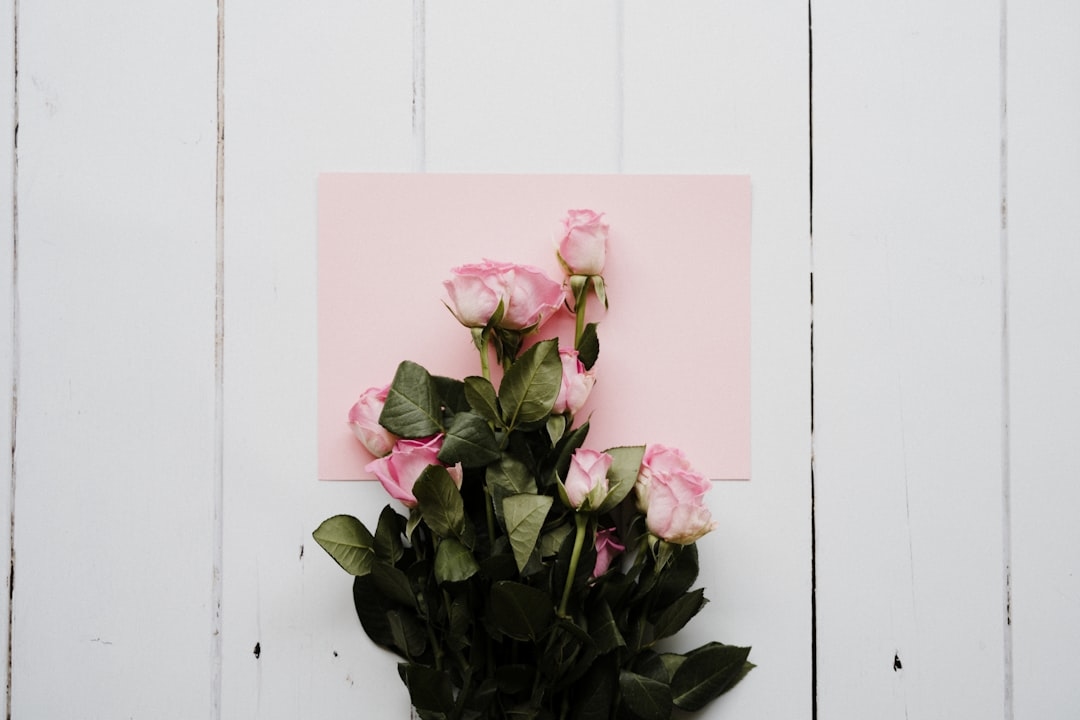
For comparison: a standard hybrid tea rose typically has 30–50 petals. A garden rose (like a David Austin variety) can reach 100–140 petals. Beautiful, yes. Record-breaking, no.
Other High-Petal Contenders Worth Knowing
- Chrysanthemums: Another composite flower, with some varieties exceeding 200 individual florets per bloom. Widely available and very affordable — often $2–$4 per stem at wholesale.
- Ranunculus: These delicate, papery blooms pack 50–80 petals into a tight, rose-like spiral. A favorite for spring weddings.
- Peonies: Full double varieties can reach 80–100 petals. They\’re luxurious, fragrant, and available in the US primarily from April through June.
- Marigolds: Often overlooked, but double marigold varieties can have 50–100 petals. Extremely eco-friendly to grow — they require minimal water and no pesticides in most US climates.
- Zinnia (double varieties): Up to 50–60 petals and incredibly easy to source from local growers, especially in summer.
Why Petal Count Matters for Event Planning
Here\’s something a lot of first-time event planners don\’t realize until it\’s too late: petal count directly affects both the visual weight of an arrangement and its cost-efficiency. Flowers with more petals tend to look fuller with fewer stems. That means you can sometimes use 30% fewer stems and still achieve the same lush effect — which adds up fast when you\’re ordering 200 centerpiece flowers.
A bride named Cassie shared her experience in a gardening forum that stuck with me. She had her heart set on garden roses for her September wedding in Nashville but was quoted $4,200 for table arrangements alone. Her florist suggested swapping half the roses for café au lait dahlias — a creamy, dusty-rose colored dahlia with a petal count easily five times that of a rose. The final bill came to $2,650, and guests kept complimenting the “lush, overflowing” look. The dahlias did the heavy lifting.
Petal Count vs. Petal Size: A Key Distinction
More petals doesn\’t always mean more visual impact. A flower like a calla lily has just one large spathe — technically a modified leaf — but commands serious presence. Meanwhile, a dahlia\’s hundreds of small, tightly packed petals create texture and depth. Think about whether you want drama (large individual petals) or richness (many layered petals) when making your selections.
Seasonal Availability Calendar for High-Petal Flowers in the US
Timing your event around flower availability isn\’t just smart — it\’s the single biggest factor in keeping your floral budget under control.
- January–March: Ranunculus peaks (imported from California and Holland); peonies available but expensive (imported). Dahlias are scarce — mostly from South American growers at a premium.
- April–May: Peonies hit domestic peak season (Oregon, Alaska). Ranunculus still going strong. Marigolds begin appearing at local markets.
- June–August: Peak dahlia season across the US (especially Pacific Northwest). Zinnias, marigolds, and chrysanthemums are abundant and cheap. This is the sweet spot for high-petal flowers.
- September–October: Dahlias are still excellent into early October. Chrysanthemums peak for fall events. Perfect for harvest-themed weddings and corporate events.
- November–December: Chrysanthemums and imported dahlias carry the holiday season. Expect to pay 20–40% more for any domestic high-petal variety.
Eco-Friendly Picks: High-Petal Flowers with a Lower Footprint
If sustainability matters to your event — and for many couples and planners today, it absolutely does — some high-petal flowers are much greener choices than others.
Dahlias, marigolds, and zinnias can all be grown domestically with minimal chemical input. Look for USDA-certified organic flower farms or suppliers who participate in the Certified American Grown program. Flowers with that certification were grown in the US, cutting down the carbon cost of air-freighting blooms from Ecuador or the Netherlands — which is how most imported roses and peonies arrive.
Chrysanthemums are also a strong eco-choice. They\’re hardy in USDA zones 5–9, drought-tolerant once established, and beloved by pollinators. Using locally grown mums for a fall event is one of the most sustainable floral decisions you can make.
Avoid: out-of-season peonies and ranunculus, which almost always travel thousands of miles by air in winter and early spring.
Practical Tips for Choosing High-Petal Flowers for Your Event
- Ask your florist for petal-dense alternatives. If you love the look of garden roses but not the price, request ranunculus or small-headed dahlias. They photograph almost identically at a fraction of the cost.
- Order in season. The calendar above is your best friend. A June wedding with dahlias costs roughly 35–50% less than a February event trying to source the same stems.
- Request “open” blooms for texture. Fully open dahlias and peonies show off their petal count best. Ask your florist to source blooms that will open 2–3 days before your event, not tight buds.
- Consider petal toss alternatives. Loose dahlia or marigold petals make gorgeous aisle runners or toss alternatives at $15–$30 per pound — far less expensive than rose petals, which can run $40–$80 per pound.
- Check local flower farms. Many US farms sell direct-to-consumer at summer markets. You can often get a 5-stem bunch of dinner-plate dahlias for $8–$12 — the same bunch would cost $35+ through a traditional florist.
FAQ: Flower Petal Counts and Event Planning
What flower has the most petals in the world?
The dahlia holds the record among cultivated flowers, with some exhibition varieties documented at over 1,000 ray florets per bloom. In the wild, certain species of Bellis perennis (the common daisy) and chrysanthemum relatives also produce very high petal counts.
Do more petals mean a longer vase life?
Not necessarily. Petal count and vase life are unrelated. Dahlias, despite their dense petals, last only 4–6 days in a vase. Chrysanthemums, also high in petals, last 10–14 days. Always ask your florist about expected vase life when planning.
Are dahlias a good choice for outdoor summer weddings?
Yes, with one caveat: dahlias are heat-sensitive. In temperatures above 85°F, blooms can wilt faster than expected. Keep arrangements in a cool area until the ceremony, and avoid direct sun exposure. For extremely hot outdoor events, chrysanthemums or zinnias are more heat-tolerant alternatives.
What\’s the most affordable high-petal flower for large events?
Chrysanthemums are consistently the most cost-effective option, running $2–$4 per stem wholesale with a long vase life. Marigolds sourced locally in summer can be even cheaper. Both work beautifully in large-scale event design.
Can I grow my own high-petal flowers for a DIY wedding?
Absolutely. Dahlias, zinnias, and marigolds are all beginner-friendly. Plant dahlia tubers in May for blooms by late July through October. Start zinnia seeds indoors in March for summer flowers. Growing your own can cut floral costs by 60–80% for a DIY wedding.
Now that you know the real flower most petals champion — and its closest rivals — you\’re armed to make smart, beautiful, budget-conscious choices for your event. Talk to a local flower farmer or florist this week, ask specifically about dahlia and chrysanthemum availability for your date, and don\’t be shy about requesting petal-dense alternatives to the usual suspects. The blooms that impress your guests most might be the ones you\’d never thought to ask for.