Contents:
- Why Flowers Became Symbols of Eternal Love
- The Top Eternal Love Flowers and What Makes Them Special
- Red Chrysanthemum: The Most Overlooked Symbol of Undying Love
- Red Amaranth: The Flower Whose Very Name Means “Unfading”
- White Lotus: Eternal Love in Its Purest Form
- Deep Purple Violet: Small Flower, Ancient Promise
- Eternal Love Flower vs. Red Rose: An Important Comparison
- Regional Differences: What “Eternal Love Flower” Means Across the US
- Practical Tips for Using Eternal Love Flowers in a Small Space
- FAQ: Eternal Love Flowers
- What is the number one flower that symbolizes eternal love?
- Does the red rose mean eternal love?
- What flower means eternal love in Japanese culture?
- What flower means forever love for a tattoo or permanent design?
- Can I grow an eternal love flower in an apartment with no garden?
- How to Choose Your Eternal Love Flower
Most people assume the eternal love flower is the red rose — and that assumption, while understandable, misses a much richer story. Roses are gorgeous, yes. But they\’re also fleeting, dropping petals within a week. The flowers that have genuinely symbolized eternal, undying love across centuries of human culture? They\’re a far more interesting bunch. Let\’s set the record straight.
Why Flowers Became Symbols of Eternal Love
Floriography — the language of flowers — peaked in Victorian England during the 1800s, when sending a carefully chosen bouquet was a coded emotional message. Lovers couldn\’t always speak freely, so they spoke in blooms. Certain flowers earned their “eternal love” associations not just from romantic tradition, but from their biological traits: long bloom cycles, ability to be dried without losing beauty, or ancient mythological roots tying them to the gods of love and immortality.
That context matters when you\’re choosing a flower that means “forever.” A bloom that symbolizes eternal love should ideally do more than look pretty on a Tuesday. It should carry weight, history, and a story you can tell.
The Top Eternal Love Flowers and What Makes Them Special
Red Chrysanthemum: The Most Overlooked Symbol of Undying Love
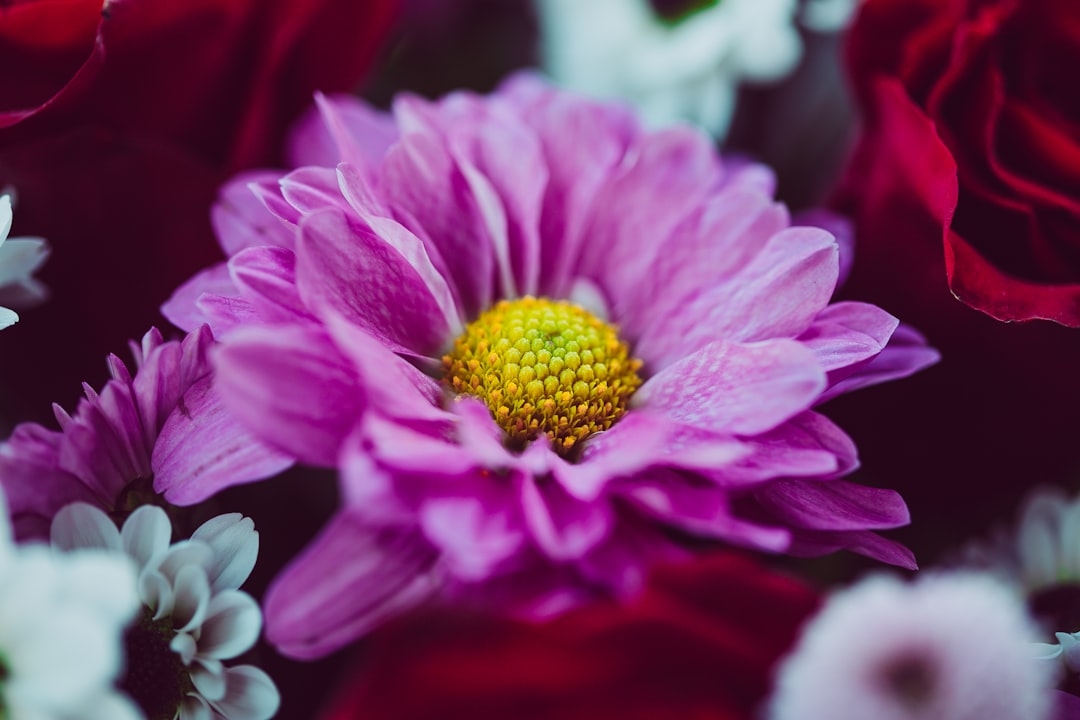
In Asian cultures — particularly in China and Japan — the chrysanthemum has represented immortality and eternal devotion for over 2,500 years. The Chinese emperor Qin Shi Huang reportedly sent 3,000 people to find the chrysanthemum\’s legendary life-prolonging properties. A deep red chrysanthemum in a modern bouquet carries that full weight of history.
In the US, chrysanthemums are widely sold as fall flowers, ranging from $4–$8 per stem at most florists. They\’re also one of the easiest flowers to grow in a small apartment — a 6-inch pot on a south-facing windowsill will support a healthy plant through an 8–10 week bloom cycle.
Red Amaranth: The Flower Whose Very Name Means “Unfading”
The word amaranth comes from the Greek amarantos, literally translating to “unfading” or “immortal.” Ancient Greeks wove amaranth into garlands placed on tombs and statues of gods, believing the flower connected the mortal world to the eternal. That\’s not a metaphor — it\’s a 3,000-year-old botanical tradition.
Red amaranth dries beautifully, retaining its deep crimson color for months or even years without water. For someone living in a small apartment, a dried amaranth arrangement in a slim vase requires zero maintenance and lasts indefinitely. You\’ll typically find it at specialty florists for around $12–$18 per bunch.
White Lotus: Eternal Love in Its Purest Form
The white lotus is one of the oldest eternal love symbols in human history, appearing in Hindu, Buddhist, and ancient Egyptian iconography as a representation of spiritual purity, rebirth, and undying devotion. In Hindu tradition, the lotus is the seat of Lakshmi, goddess of love and prosperity. Its ability to rise from murky water each morning and close at night became a metaphor for love that endures through darkness and returns again.
For apartment dwellers, a white lotus can be grown in a 12–16 inch container filled with 4–6 inches of soil and topped with water — no garden required. Lotus tubers are available online for $15–$25 and bloom reliably in USDA hardiness zones 4–11 with adequate summer sun.
Deep Purple Violet: Small Flower, Ancient Promise
Violets have been connected to eternal love since ancient Greece, where they were associated with Aphrodite and her son Eros. Shakespeare referenced violets as symbols of faithfulness in both Hamlet and A Midsummer Night\’s Dream. Napoleon Bonaparte famously adopted the violet as his personal emblem, and his supporters wore violets as tokens of devotion after his exile.
African violets — the compact indoor variety — are ideal for small-space living. A 4-inch pot fits on any windowsill, blooms nearly year-round with indirect light, and costs as little as $5–$10 at a garden center. They\’re not the same species as wild violets, but they carry the same symbolic legacy beautifully.
Eternal Love Flower vs. Red Rose: An Important Comparison
Here\’s where the confusion almost always starts. The red rose is the world\’s most commercially dominant romantic flower — approximately 250 million roses are sold in the US each Valentine\’s Day alone. But roses traditionally symbolize passionate love and desire, not necessarily eternal love. The difference matters.
Eternal love implies permanence, devotion, and transcendence. Passion is intense but often temporary. The red rose\’s short vase life — typically 7–10 days — actually reinforces that fleeting quality. By contrast, flowers like amaranth, lotus, and chrysanthemum were specifically chosen throughout history to represent love that outlasts physical life. If you\’re marking an anniversary, a long-term commitment, or a memorial, reaching for an amaranth or a chrysanthemum is symbolically far more precise than defaulting to roses.
That said, combining a red rose with white amaranth in a single arrangement gives you both passion and permanence — a genuinely meaningful pairing that most florists can create for under $45.
Regional Differences: What “Eternal Love Flower” Means Across the US
Flower symbolism isn\’t uniform across the country, and regional culture shapes which blooms people reach for when they want to say “forever.”
Northeast: In cities like New York and Boston, white lilies — especially Asiatic and Oriental varieties — are strongly associated with eternal devotion and are a staple at both weddings and memorial services. A white lily arrangement at a Manhattan florist averages $60–$85.
South: The magnolia carries deep cultural weight as a symbol of perseverance and lasting love across the American South. It\’s featured in wedding ceremonies from Georgia to Louisiana, and magnolia branches are often pressed and preserved as keepsakes. Fresh magnolia stems run $8–$15 each at Southern specialty florists.
West Coast: In California and the Pacific Northwest, the lavender-hued statice flower (also called sea lavender) is prized for its permanence — it dries completely without fading and is sold in dried form at farmers\’ markets for $6–$10 a bunch. It\’s been a symbol of remembrance and undying affection in coastal communities for generations.
Practical Tips for Using Eternal Love Flowers in a Small Space
Living in an apartment doesn\’t mean sacrificing meaningful floral displays. These practical approaches keep things beautiful and manageable.
- Choose dried over fresh. Amaranth, statice, and strawflower all retain their color and shape when air-dried. Hang them upside down in a cool, dry space for 2–3 weeks, then display in a slim vase. They\’ll last 1–2 years with no water.
- Go single-stem. One perfect white lotus bud in a narrow bud vase makes a stronger visual and emotional statement than a crowded arrangement. Bud vases take up less than 3 inches of shelf space.
- Try a 4-inch pot rotation. Keep 2–3 compact blooming plants (violets, mini chrysanthemums) on a rotating schedule so something is always in flower. Total cost: under $30 for a full season of blooms.
- Press and frame. A pressed violet or amaranth flower in a small floating frame becomes a permanent piece of art. 5×7 floating frames cost $12–$20 at craft stores and make thoughtful personalized gifts.
- Use a narrow window box. A 24-inch window box mounted outside an apartment window can support 6–8 violet or chrysanthemum plants — bringing the symbolism to your everyday view without taking any interior space.
FAQ: Eternal Love Flowers
What is the number one flower that symbolizes eternal love?
The red amaranth is widely considered the single most historically accurate symbol of eternal love, with its name literally meaning “unfading” in ancient Greek. It has been used to represent immortality and undying devotion across Greek, Asian, and South American cultures for over 3,000 years.
Does the red rose mean eternal love?
Not precisely. Red roses traditionally symbolize passionate, romantic love and desire. Eternal love — with its connotation of permanence and devotion beyond death — is more accurately represented by flowers like amaranth, chrysanthemum, and white lotus. Combining red roses with white amaranth gives you both meanings in one arrangement.
What flower means eternal love in Japanese culture?
In Japanese culture, the white chrysanthemum is the primary symbol of longevity and eternal love. It appears on the Imperial Seal of Japan and is associated with the sun, immortality, and rejuvenation. Red chrysanthemums specifically carry romantic devotion symbolism.
What flower means forever love for a tattoo or permanent design?
Amaranth and lotus are the most popular choices for tattoos and permanent designs meant to convey eternal love, precisely because their symbolic meaning is rooted in permanence and immortality rather than seasonal romance. Both have visually distinctive shapes that translate well into detailed ink work.
Can I grow an eternal love flower in an apartment with no garden?
Yes. African violets thrive in 4-inch pots on any well-lit windowsill. White lotus grows in a 12-inch container of water indoors during summer. Mini chrysanthemums bloom for 8–10 weeks in a 6-inch pot. All three are available at garden centers or online for under $20.
How to Choose Your Eternal Love Flower
The right eternal love flower depends on what you\’re trying to say and to whom. For a living gift that keeps growing, an African violet or mini chrysanthemum in a small pot is intimate, low-maintenance, and symbolically powerful. For a permanent keepsake, dried amaranth or pressed statice lasts for years without any care. For a grand gesture — a wedding, an anniversary, a milestone — white lotus or magnolia brings both visual drama and deep cultural meaning.
Whatever you choose, take a moment to share the story behind the flower. That\’s the part that turns a pretty bloom into something someone actually remembers. Write the etymology of “amaranth” on the gift tag. Tell someone that the chrysanthemum\’s symbol of immortality is 2,500 years old. The flower carries the meaning — but you carry the voice that makes it land.
Start with one stem, one small pot, or one dried bunch. That\’s enough to say forever.