Contents:
- The Botanical Roots of Floral Symbolism
- The Primary Gratitude Flower: Pink Roses
- Cost Breakdown: Pink Roses in the US Market
- Other Flowers That Symbolize Gratitude and Thanks
- Hydrangeas
- Sweet Peas
- Campanula (Bellflower)
- Dahlias
- Eco-Friendly Ways to Give a Gratitude Flower
- Common Mistakes to Avoid When Giving Gratitude Flowers
- How to Care for Gratitude Flowers So They Last
- FAQ: Gratitude Flowers
- What is the best flower to say thank you?
- What flower symbolizes gratitude and appreciation?
- Can I grow a gratitude flower at home?
- Is there a specific color of flower for gratitude?
- How many flowers should I give as a thank-you?
- Choosing Your Gratitude Flower with Intention
Have you ever stood in a flower shop, genuinely unsure which blooms say “thank you” and which ones say something else entirely? Flower symbolism is older than written language — and getting it wrong can send a completely unintended message. The good news: there is a clear, historically grounded answer to which flowers represent gratitude, and understanding the reasoning makes the gift far more meaningful.
The gratitude flower most universally recognized in Western floral tradition is the pink rose. But that\’s only the beginning of the story. Several other species carry deep associations with thankfulness, appreciation, and acknowledgment — each with its own cultural origin, visual character, and practical use case.
The Botanical Roots of Floral Symbolism
Floriography — the language of flowers — reached its peak in Victorian England between roughly 1820 and 1880. During this period, coded bouquets were used to communicate emotions that social norms made difficult to express aloud. Publishers sold flower dictionaries by the thousands. The meanings assigned during this era stuck, and most florists in the United States still operate within this framework today.
Before buying anything, it helps to understand that flower meanings can shift based on color, quantity, and cultural context. A red rose means romantic love. A yellow rose historically signified jealousy, though in modern American usage it has softened to mean friendship and care. Color matters as much as species.
The Primary Gratitude Flower: Pink Roses
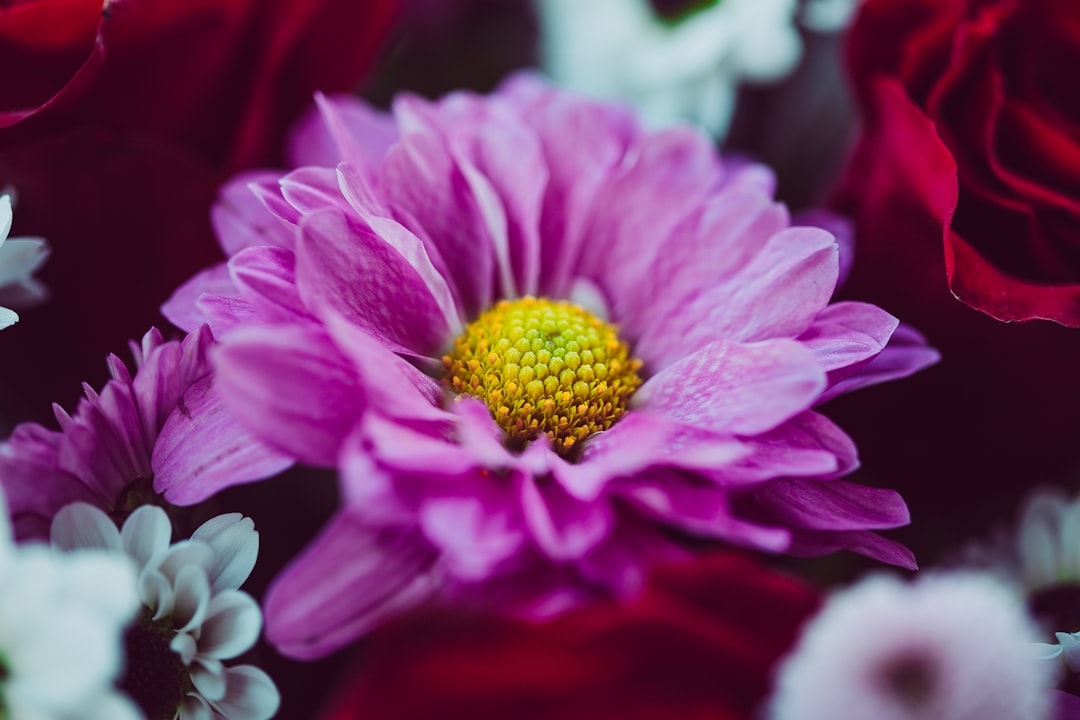
Pink roses are the most widely accepted symbol of gratitude, admiration, and appreciation in the United States. Light pink varieties — particularly blush and pale peach-pink shades — carry the strongest association with thankfulness. Deep magenta roses lean more toward gratitude mixed with admiration or respect.
From a botanical standpoint, most commercially sold pink roses belong to hybrid tea rose cultivars such as \’Queen Elizabeth\’ or \’Falling in Love.\’ These are bred for long vase life — typically 7 to 12 days with proper care — and consistent bloom size, making them reliable for gifting.
Cost Breakdown: Pink Roses in the US Market
- Single stem from a grocery store: $3–$6
- Dozen from a local florist: $45–$80
- Arranged bouquet (12–18 stems) from a delivery service: $65–$120, plus $15–$25 delivery
- Wholesale at a farmers market (when in season): $15–$30 per dozen
Domestic rose production in the US is primarily concentrated in California, but roughly 80% of roses sold in America are imported from Colombia and Ecuador. If sourcing locally matters to you — more on that shortly — ask your florist specifically about US-grown stock.
Other Flowers That Symbolize Gratitude and Thanks
Pink roses are the headline, but several other species carry genuine historical associations with appreciation and thankfulness.
Hydrangeas
Hydrangeas carry a meaning of heartfelt emotion and gratitude for being understood. They\’re native to Asia and the Americas, and the large mophead varieties (Hydrangea macrophylla) bloom prolifically in USDA hardiness zones 5 through 9. A single stem can contain 50 to 80 individual florets, making them visually generous — a fitting metaphor for abundant thanks. Expect to pay $6–$12 per stem at a florist.
Sweet Peas
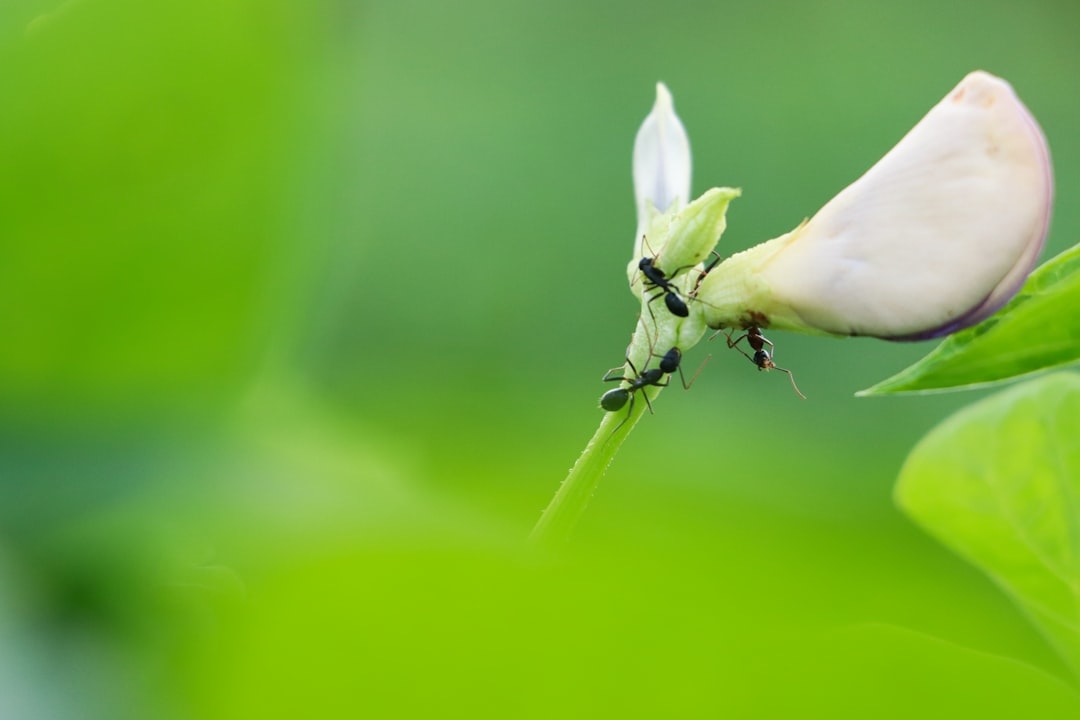
Sweet peas (Lathyrus odoratus) have been associated with gratitude and departure since the early 19th century. Their Victorian meaning was specifically “thank you for a lovely time” — which makes them an elegant choice after a dinner party or as a hostess gift. They\’re delicate, highly fragrant, and short-lived (3–5 days), but that impermanence is part of their charm. Seasonal availability in the US runs roughly April through June.
Campanula (Bellflower)
Less well-known but historically significant, campanula carries the meaning of gratitude and constancy. The blue-violet variety is most traditional. It\’s a hardy perennial in zones 3 through 8 and is often grown in home gardens rather than purchased commercially, making it a particularly personal choice when cut from one\’s own yard.
Dahlias
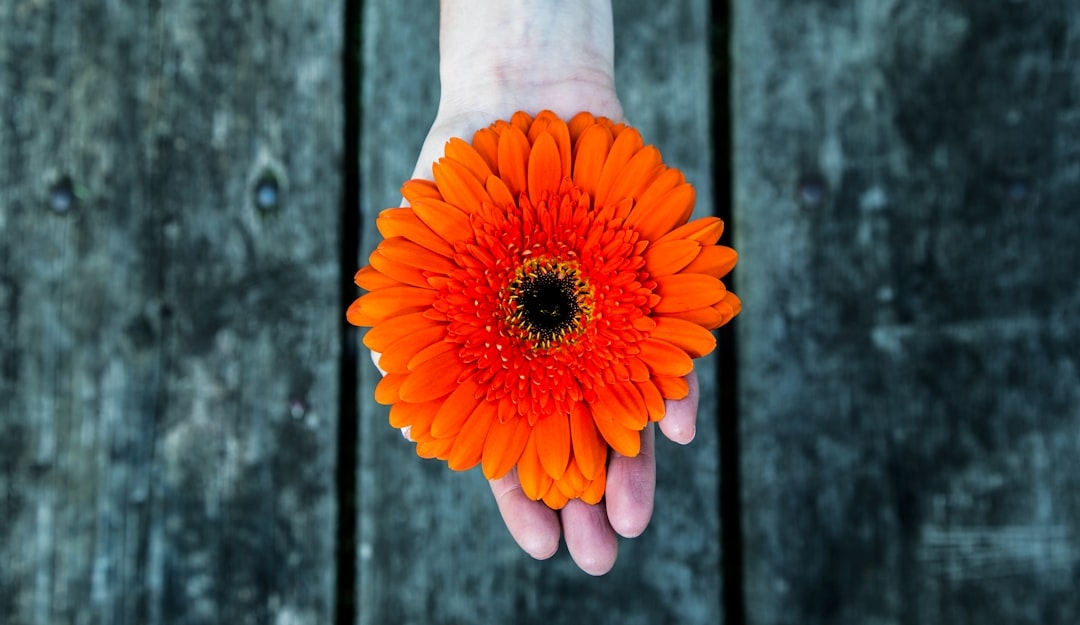
Dahlias in coral and peach tones are increasingly used to express appreciation in contemporary American floral design. While their classical Victorian meaning centers on elegance and dignity, modern florists frequently incorporate them into “thank you” arrangements. They\’re in peak season from July through October.
Eco-Friendly Ways to Give a Gratitude Flower
Conventional cut flowers come with a real environmental cost: most imported roses are grown with significant pesticide inputs, and air freight from South America has a measurable carbon footprint. For the environmentally conscious gift-giver, a few alternatives are worth considering.
- Buy from local farms: The USDA\’s Local Food Directories tool can help you find nearby cut-flower farms. Locally grown flowers skip air freight entirely and are often grown with fewer chemical inputs.
- Choose potted plants: A potted miniature rose or hydrangea lasts weeks to months rather than days, produces no single-use packaging waste, and can be replanted outdoors.
- Look for Rainforest Alliance or Fair Trade certified flowers: These certifications don\’t eliminate environmental impact, but they set meaningful standards for farm worker conditions and some pesticide restrictions.
- Dried flowers: Dried pink roses and hydrangeas retain their color for 1 to 3 years and require no water or refrigerated transport after processing.
Common Mistakes to Avoid When Giving Gratitude Flowers
- Choosing red roses instead of pink: Red roses communicate romantic love. In a professional or platonic context — thanking a mentor, a neighbor, a colleague — red roses can create unintended awkwardness. Stick to pink, peach, or coral.
- Ignoring quantity symbolism: In some Eastern European and Russian cultural contexts (relevant in many US cities with large immigrant populations), even numbers of flowers are associated with funerals. Giving 12 roses is fine in mainstream American culture, but if you know the recipient has these cultural roots, opt for 11 or 13.
- Skipping the note: A flower without context is just a flower. A two-sentence handwritten card explaining why you\’re grateful transforms the gesture into a memory.
- Buying too far in advance: Cut flowers begin deteriorating immediately. Purchase no more than 24 hours before gifting, and keep them in water in a cool room (below 65°F) until delivery.
- Assuming one size fits all: A single perfect stem in a bud vase can be more elegant — and more thoughtful — than a large generic bouquet. Match the scale of the gift to the occasion.
How to Care for Gratitude Flowers So They Last
Once you\’ve chosen and given the flowers, proper care extends their life significantly. For pink roses, re-cut the stems at a 45-degree angle under running water immediately upon arrival — this prevents air bubbles from blocking water uptake. Change the vase water every two days. Keep the arrangement away from direct sunlight, heating vents, and fruit bowls (ripening fruit releases ethylene gas, which accelerates petal drop).
Hydrangeas are particularly sensitive to dehydration. If they wilt prematurely, submerge the entire bloom head in cool water for 30 minutes — this often revives them completely.
FAQ: Gratitude Flowers
What is the best flower to say thank you?
The pink rose is the most universally recognized flower for expressing gratitude and thanks in the United States. Light pink varieties most specifically convey appreciation, while peach roses add a note of sincerity.
What flower symbolizes gratitude and appreciation?
Pink roses are the primary symbol. Hydrangeas represent heartfelt gratitude for being understood. Sweet peas traditionally mean “thank you for a lovely time.” Campanula signifies grateful constancy.
Can I grow a gratitude flower at home?
Yes. Hybrid tea roses grow well in USDA zones 5 through 9 with full sun (at least 6 hours daily). Hydrangeas thrive in zones 5 through 9 as well, preferring morning sun and afternoon shade. Both can be cut from a home garden and given fresh.
Is there a specific color of flower for gratitude?
Pink is the most consistently associated color with gratitude in Western floral tradition. Peach, blush, and coral tones also work well. Avoid red (romantic love) and yellow in traditional contexts (historically associated with jealousy, though meanings have softened).
How many flowers should I give as a thank-you?
There is no strict rule in American gifting culture. A single statement stem, a small posy of 5 to 7 flowers, or a full dozen are all appropriate depending on the occasion. The gesture matters more than the quantity.
Choosing Your Gratitude Flower with Intention
Flowers carry meaning precisely because they require a choice. Picking up a pink rose — or a cutting of sweet peas from a local farm, or a potted hydrangea — and delivering it with a handwritten note is a concrete act of attention. It says: I thought about you specifically.
The gratitude flower tradition is over 200 years old, but it\’s not stuck in the past. Modern American florists are blending Victorian symbolism with sustainable sourcing and contemporary design to make these gestures more personal and more responsible. Start simple: one stem, one honest note, one specific reason you\’re grateful. That combination outperforms any elaborate arrangement without a clear intention behind it.
Ready to put this into practice? Visit a local florist this week — not a grocery store endcap, but an actual florist — and ask them what\’s in season and locally grown. You\’ll likely discover varieties you\’ve never considered, at prices that surprise you, with a story worth passing along.