Contents:
- Why Flowers Became Symbols of Strength
- The Best Strength and Resilience Flowers, Explained
- Lotus (Nelumbo nucifera)
- Sunflower (Helianthus annuus)
- Iris (Iris* spp.)
- Thistle (Cirsium and Onopordum spp.)
- Cherry Blossom (Prunus serrulata)
- Gladiolus (Gladiolus spp.)
- Edelweiss (Leontopodium nivale)
- Protea (Protea cynaroides)
- Dandelion (Taraxacum officinale)
- Cactus Flower (various genera)
- Resilience Flowers for Gifting: Practical Tips
- Regional Differences Worth Knowing
- FAQ: Strength and Resilience Flowers
- What flower symbolizes strength and resilience most universally?
- What flower do you give someone going through a hard time?
- Are there any flowers that literally survive harsh conditions?
- What\’s the difference between a resilience flower and a sympathy flower?
- Can I grow strength-symbolizing flowers if I\’m a complete beginner?
- Plant Something That Lasts
During the Victorian era, people didn\’t just hand someone a bouquet — they sent a message. This practice, called floriography, assigned specific meanings to flowers so that a single arrangement could express what words couldn\’t. Soldiers\’ wives planted sunflowers outside their homes as symbols of endurance. Mourners laid lotus blossoms on graves to represent the soul\’s persistence. The language of flowers has always been, at its core, a language of emotional survival. If you\’re searching for strength resilience flowers — whether for a garden, a gift, or a personal symbol — you\’re tapping into thousands of years of human meaning-making.
Why Flowers Became Symbols of Strength
Plants don\’t choose their conditions. A seed doesn\’t get to pick fertile soil or gentle rain. Yet certain flowers bloom in gravel, push through cracks in concrete, and survive drought, frost, and neglect. That stubborn persistence is exactly why humans began attaching meanings of strength and resilience to specific blooms. It wasn\’t poetic license — it was observation.
Botanists have documented over 391,000 plant species on Earth, but only a handful have earned a reputation across multiple cultures as symbols of endurance. What they share isn\’t just toughness — it\’s beauty that persists despite hardship. That combination is what makes them meaningful.
The Best Strength and Resilience Flowers, Explained
1. Lotus (Nelumbo nucifera)
The lotus grows rooted in mud, rising through murky water to bloom clean and bright at the surface. In Buddhism and Hinduism, this journey represents spiritual resilience and rebirth. In Egypt, the blue lotus was carved into temple walls dating back to 1350 BCE. As a garden plant in the US, it thrives in USDA Hardiness Zones 4–10, making it accessible to most of the country. A single lotus rhizome purchased for around $10–$15 can produce blooms within one growing season.
2. Sunflower (Helianthus annuus)
Sunflowers track the sun — a behavior called heliotropism — demonstrating a kind of relentless orientation toward light even on difficult days. Native to North America, they were cultivated by Indigenous peoples for over 5,000 years for food, dye, and ceremonial use. Modern sunflower varieties can grow 6 to 12 feet tall and are drought-tolerant once established. In the American South, sunflowers are a common memorial flower, planted along roadsides and in family gardens as a symbol of lasting love and strength.
3. Iris (Iris* spp.)
The iris appears on the coat of arms of Florence and the French royal fleur-de-lis, both chosen deliberately as symbols of valor and power. In Japan, iris flowers are displayed on Children\’s Day (May 5th) specifically to wish children strength and good health. Bearded irises are among the hardiest perennials available — many varieties survive winters down to Zone 3, which covers states like Minnesota and Montana. Expect to pay $5–$15 per rhizome at most US garden centers.
4. Thistle (Cirsium and Onopordum spp.)
Scotland adopted the thistle as its national emblem in the 13th century after — legend has it — a barefoot Norse invader yelped when he stepped on one, alerting sleeping Scottish soldiers. Prickly, persistent, and surprisingly beautiful when in bloom, thistles represent defiant resilience. In the wild gardens of the Pacific Northwest and the Northeast, native thistles also support over 100 insect species, making them one of the most ecologically valuable “tough” flowers you can grow.
5. Cherry Blossom (Prunus serrulata)
Japan\’s mono no aware — the bittersweet appreciation of impermanence — is embodied in cherry blossoms. They bloom for only 1–2 weeks each spring, yet their brief, fierce appearance after a cold winter is read as an act of courage. Japanese samurai adopted cherry blossoms as a symbol of living fully despite life\’s brevity. On the West Coast, particularly in cities like Seattle and San Francisco, cherry blossom festivals draw hundreds of thousands of visitors each spring, celebrating exactly this idea.
6. Gladiolus (Gladiolus spp.)
The name comes from the Latin gladius, meaning sword — and this flower was given to Roman gladiators as a symbol of moral strength and honor. Today, gladiolus is the birth flower for August and frequently appears in sympathy arrangements across the US. A single corm costs about $1–$3, and one planting produces a 2–4 foot spike with up to 20 florets. It\’s a dramatic, affordable way to express endurance.
7. Edelweiss (Leontopodium nivale)
Edelweiss grows at altitudes above 5,900 feet in the Alps, surviving UV radiation, thin soil, and freezing temperatures. For centuries, young men in Alpine communities climbed dangerous mountain faces to retrieve a single bloom as proof of bravery for the person they loved. It\’s not widely grown in US gardens — it needs sharp drainage and cool summers — but it thrives in rock gardens in the Mountain West states like Colorado and Wyoming (Zones 4–7).
8. Protea (Protea cynaroides)
South Africa\’s national flower, the King Protea, has survived on Earth for approximately 300 million years — longer than most continents have existed in their current form. It\’s named after Proteus, the Greek god who could change shape, symbolizing adaptability. In US floral design, proteas have surged in popularity in the last decade, especially in California and Hawaii where they\’re grown domestically. Expect to pay $8–$15 per stem at specialty florists.
9. Dandelion (Taraxacum officinale)
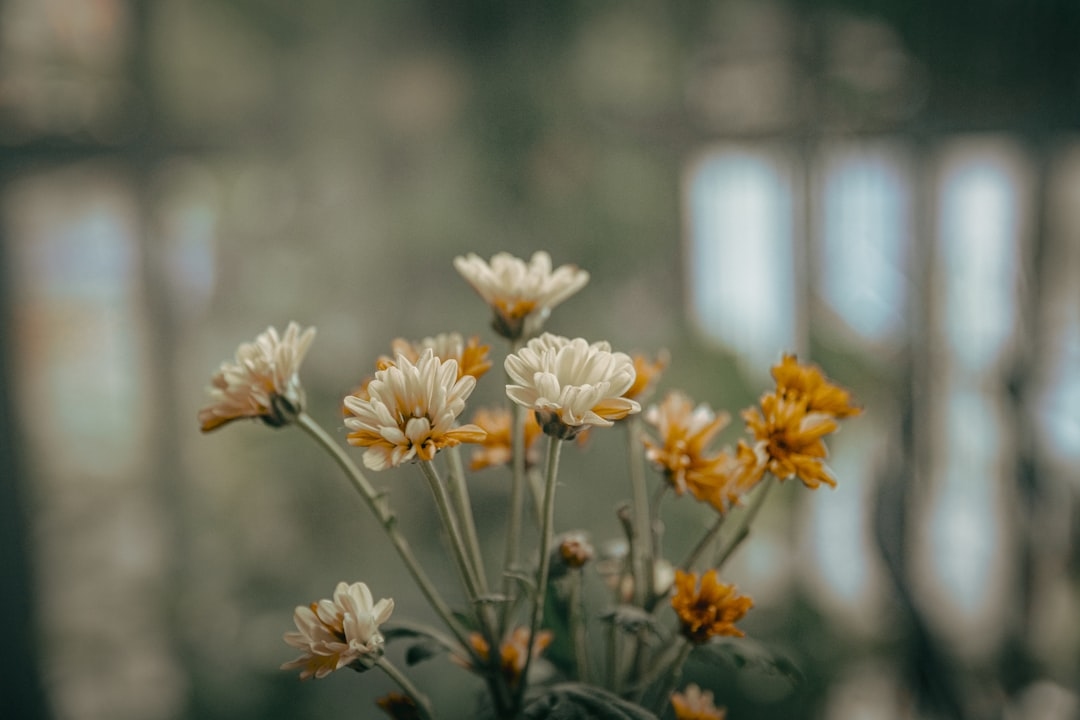
Here\’s where a common comparison gets interesting. Many people confuse dandelions — often dismissed as weeds — with similarly yellow flowers like coreopsis or black-eyed Susans. But the dandelion has a specific, earned symbolism: it pushes through sidewalks, regrows when mowed, and its seeds travel up to 100 kilometers on a single wind current. In the Midwest and Northeast, dandelions are increasingly recognized not as nuisances but as early-season pollinator food and symbols of quiet, unstoppable persistence. They\’re also 100% edible, free, and require zero resources to grow — arguably the most sustainable flower on this list.
10. Cactus Flower (various genera)
Technically a bloom rather than a flower plant, cactus flowers represent endurance in the most literal sense. A saguaro cactus in the American Southwest can live 150–200 years, surviving on less than 12 inches of rainfall annually. When it finally blooms — usually after 35–50 years — the flowers are stunning: waxy, white, and fragrant. For desert gardeners in Zones 8–11, native cactus species offer both ecological value and profound symbolism.
Resilience Flowers for Gifting: Practical Tips
Choosing a meaningful bouquet doesn\’t require a florist degree. Here\’s how to make thoughtful choices:
- For grief or loss: Gladiolus, iris, and lotus are the most recognized sympathy flowers that carry strength symbolism — more meaningful than generic white lilies.
- For a recovery or illness gift: Sunflowers and proteas are long-lasting (7–14 days in a vase) and visually uplifting without being somber.
- For a garden plant with meaning: Irises and sunflowers are the easiest to establish for beginners, both under $20 to start.
- Eco-friendly option: Skip imported roses flown in from Ecuador and choose locally grown sunflowers, native thistles, or potted lotus. US-grown flowers have a significantly lower carbon footprint, and many local farms sell direct-to-consumer for $15–$30 per bouquet.
Regional Differences Worth Knowing
Flower symbolism isn\’t uniform across the US. In the South, sunflowers and magnolias dominate memorial gardens — magnolias specifically represent dignity and perseverance in Southern funeral traditions. In the Northeast, irises and native wildflowers like coneflowers (Echinacea) are staples of resilience gardens, partly due to their cold hardiness. On the West Coast, proteas and California poppies — the state flower, which reseeds itself aggressively after wildfires — carry strong cultural weight as symbols of natural regeneration.
FAQ: Strength and Resilience Flowers
What flower symbolizes strength and resilience most universally?
The lotus is the most widely recognized symbol of strength and resilience across cultures, representing the ability to rise from difficult conditions and bloom beautifully. It appears in Buddhist, Hindu, Egyptian, and East Asian traditions with consistent meaning.
What flower do you give someone going through a hard time?
Sunflowers and gladiolus are both excellent choices. Sunflowers signal enduring optimism, while gladiolus — historically linked to strength of character — is commonly used in sympathy and recovery arrangements across the US.
Are there any flowers that literally survive harsh conditions?
Yes. Edelweiss thrives above the treeline in the Alps, cactus flowers bloom in near-drought conditions, and dandelions regrow after being cut down repeatedly. These plants earn their symbolic meaning through actual botanical toughness.
What\’s the difference between a resilience flower and a sympathy flower?
Sympathy flowers (like white lilies or chrysanthemums) focus on mourning and loss. Resilience flowers — irises, lotus, sunflowers, gladiolus — lean toward forward-looking strength. Many florists use them in sympathy arrangements specifically to send a message of hope alongside grief.
Can I grow strength-symbolizing flowers if I\’m a complete beginner?
Absolutely. Sunflowers and irises are both rated as beginner-friendly by the American Horticultural Society. Sunflowers need only full sun and basic watering. Bearded iris rhizomes can be planted in fall for spring blooms and require almost no maintenance once established.
Plant Something That Lasts
The most powerful thing about strength resilience flowers is that they don\’t just sit in a vase — they grow, return, and outlast the hard season that prompted you to choose them. A sunflower planted during a difficult summer becomes a different kind of marker than a store-bought card. An iris division passed from one garden to another carries meaning across years. If you\’re ready to start, pick one flower from this list that resonates with you, order a bulb or rhizome from a US-based nursery (many ship for under $5), and plant it somewhere you\’ll see it next spring. Strength, it turns out, is something you can grow on purpose.