Contents:
- A Brief History of Floral Tea Blending
- The Most Common Flowers Used in Tea
- Chamomile — The Classic Calming Bloom
- Hibiscus — Tart, Vivid, and Packed with Antioxidants
- Lavender — Fragrant but Use It Sparingly
- Rose Petals and Rosehips — Two Parts of One Plant
- Jasmine Blossoms — The Art of Scenting Tea
- Calendula — The Underrated Garden Staple
- A Sustainability Note on Sourcing Floral Tea Ingredients
- Practical Tips for Brewing Floral Teas at Home
- A Reader\’s Discovery: Growing Your Own Tea Garden
- FAQ: Flowers Used in Tea
- What flowers are safe to use in herbal teas?
- Can I use fresh flowers to make tea?
- Which flower tea has the most health benefits?
- Are floral teas caffeine-free?
- How much do flowers used in tea cost?
- Start Brewing with Whole Flowers Today
Here\’s a misconception that surprises most people: floral teas are not just flavored black teas with a pretty name. Many so-called “flower teas” sold in grocery stores are actually black or green tea bases with added fragrance or artificial flavoring — not real botanical blossoms at all. The good news? Genuine flowers used in tea brewing are widely available, often inexpensive, and deliver flavors and benefits that no synthetic additive can replicate. This guide covers exactly which blooms belong in your cup, what they taste like, and how to use them without spending a fortune.
A Brief History of Floral Tea Blending
Floral infusions have been brewed for well over 2,000 years. Ancient Egyptians used chamomile as a medicinal remedy around 500 BCE, while Chinese herbalists were blending jasmine blossoms with green tea during the Song Dynasty (960–1279 CE). In Europe, dried lavender and rose petals became staples of apothecary gardens by the 16th century. These weren\’t luxury items — they were practical, garden-grown solutions to everything from digestive discomfort to sleeplessness. That tradition of using whole, dried flowers to make therapeutic and flavorful drinks is alive and well today, and it remains one of the most accessible forms of home herbalism.
The Most Common Flowers Used in Tea
Chamomile — The Classic Calming Bloom
Chamomile (Matricaria chamomilla) is arguably the most widely recognized floral tea ingredient in the US. Its small, daisy-like flowers produce a mild, apple-honey flavor when dried and steeped. Research published in the journal Phytomedicine found that chamomile extract showed measurable anxiolytic (anxiety-reducing) effects in participants over an 8-week period. For home brewing, use 1–2 teaspoons of dried chamomile flowers per 8 oz of water at 200°F, steeped for 5 minutes. Bulk dried chamomile typically costs $4–$8 per ounce at health food stores or online, making it one of the most budget-friendly options available.
Hibiscus — Tart, Vivid, and Packed with Antioxidants
The deep crimson calyces of Hibiscus sabdariffa — technically the sepals surrounding the flower — create a brilliantly ruby-red tea with a distinctly tart, cranberry-like flavor. A 2010 study in the Journal of Nutrition found that drinking three cups of hibiscus tea daily for six weeks produced a measurable reduction in systolic blood pressure in prehypertensive adults. Steep dried hibiscus at 208°F for 5–7 minutes. It blends beautifully with rose hips and a touch of honey. Dried hibiscus is inexpensive — often under $5 for 4 oz — and grows readily in USDA Hardiness Zones 9–11 for those who want to harvest their own.
Lavender — Fragrant but Use It Sparingly
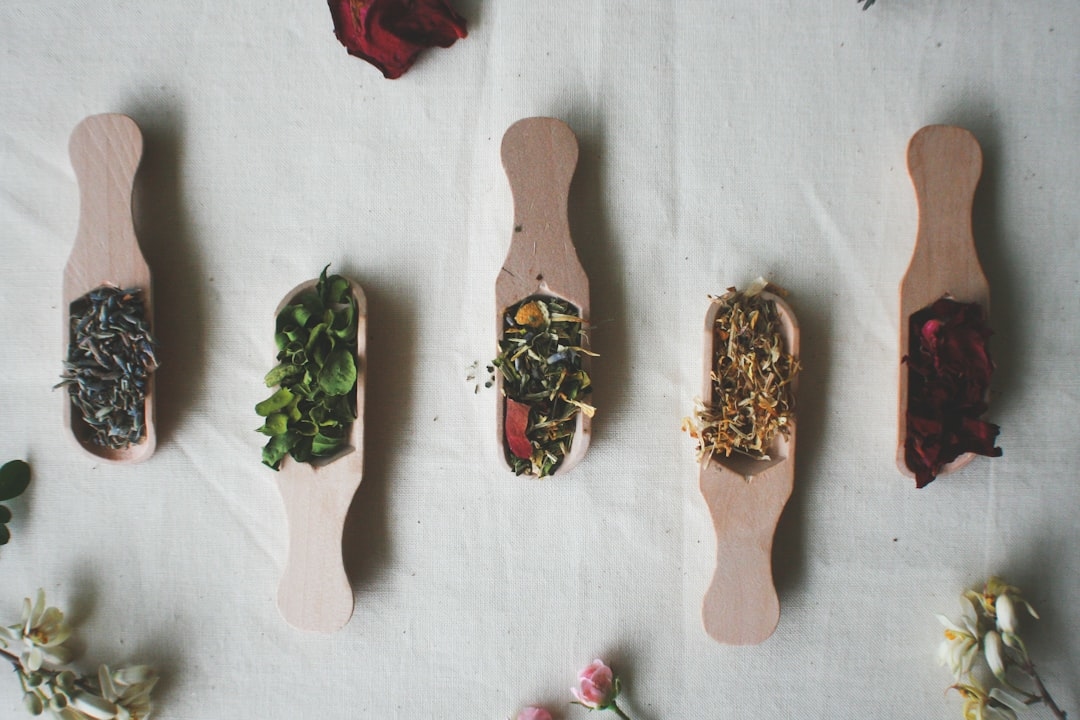
Culinary lavender (Lavandula angustifolia) brings a floral, slightly sweet, faintly herbal note to teas. The key is restraint: even half a teaspoon of dried lavender buds per cup can overwhelm a blend if you\’re not careful. It pairs exceptionally well with lemon verbena or black tea. Lavender contains linalool, a compound studied for its calming neurological effects. Grow your own in Zones 5–8 for a nearly cost-free supply — one established lavender plant can yield several ounces of dried flowers per season.
Rose Petals and Rosehips — Two Parts of One Plant
Dried rose petals add a delicate, floral sweetness to blends, while rosehips (the fruit that forms after the bloom) deliver a tart, vitamin C-rich punch. A single rosehip contains more vitamin C per gram than most citrus fruits. Together, they make a complementary pairing: steep 1 tablespoon of rosehips with 1 teaspoon of rose petals at 200°F for 10 minutes. Both are produced by the same plant, making them a sustainable, zero-waste use of your garden roses — provided you skip the pesticide spray.
Jasmine Blossoms — The Art of Scenting Tea
Jasmine tea is made by layering fresh Jasminum sambac blossoms over green or white tea leaves overnight, allowing the tea to absorb the fragrance before the spent flowers are removed. High-quality jasmine pearls undergo this scenting process up to seven times. The result is intensely aromatic with almost no bitterness. Pre-scented jasmine tea from reputable vendors runs $8–$15 per ounce, but the complexity it delivers puts it in a category of its own among floral tea experiences.
Calendula — The Underrated Garden Staple
Calendula (Calendula officinalis), often called pot marigold, produces golden-orange petals with a mildly earthy, slightly tangy flavor. It\’s one of the easiest flowers to grow from seed in Zones 2–11, thriving in cool weather and blooming prolifically from spring through fall. Medicinally, calendula has been studied for its anti-inflammatory properties. Dried petals are inexpensive — roughly $3–$6 per ounce — and add beautiful color to any blend.
A Sustainability Note on Sourcing Floral Tea Ingredients
One of the most eco-friendly things you can do as a tea drinker is grow your own blending flowers. Chamomile, calendula, and lavender are easy annual or perennial crops that require minimal inputs. For purchased botanicals, look for certified organic sources to avoid pesticide residues — particularly important since you\’re consuming the flowers directly. Brands like Mountain Rose Herbs and Starwest Botanicals offer bulk organic dried flowers at reasonable prices, reducing both packaging waste and per-cup cost compared to commercial tea bags.
Practical Tips for Brewing Floral Teas at Home
- Temperature matters: Most floral infusions perform best between 195–208°F. Boiling water (212°F) can destroy delicate volatile compounds responsible for aroma.
- Use a fine mesh strainer: Flower petals and small buds escape standard tea infusers. A fine mesh basket or cheesecloth works best.
- Start with single-flower infusions: Before blending, brew each flower alone so you understand its flavor profile. It\’s a lot harder to fix an overpowering lavender blend than to prevent one.
- Store dried flowers properly: Airtight glass jars away from direct light preserve flavor for 12–18 months. Avoid plastic, which can absorb and transfer odors.
- Blend by weight, not volume: Petals vary wildly in density. A kitchen scale with 0.1g precision takes the guesswork out of consistent batches.
A Reader\’s Discovery: Growing Your Own Tea Garden
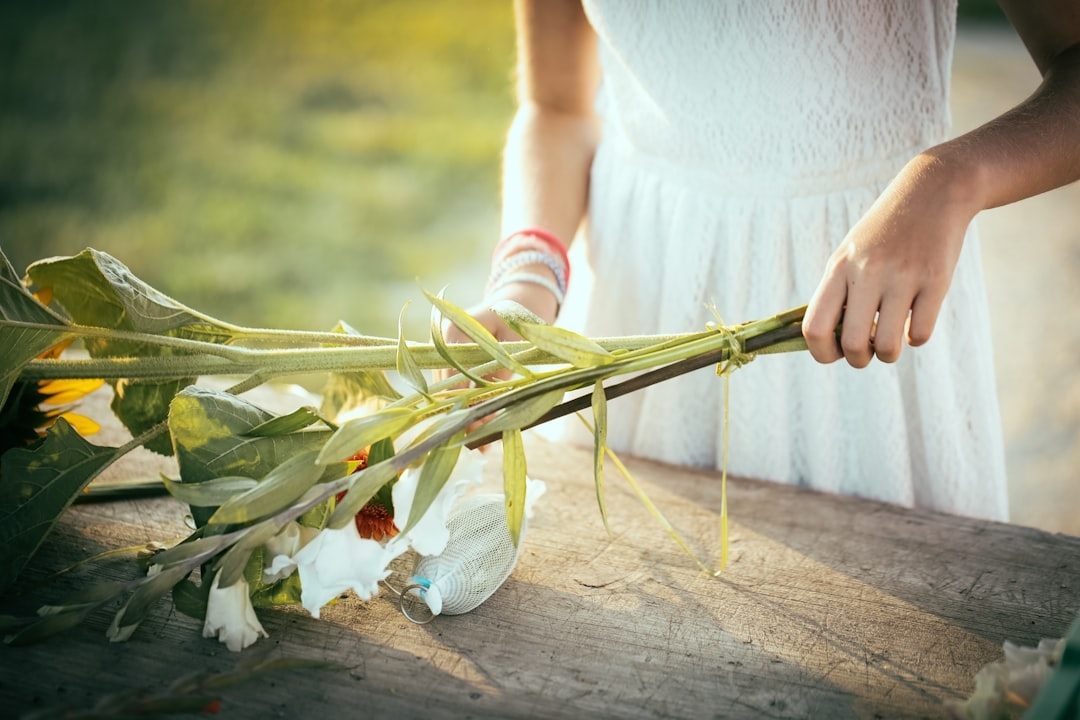
A reader named Sandra from Portland, Oregon shared her experience after planting a small tea garden in raised beds: she started with just chamomile and calendula seeds in spring, spending less than $6 total. By midsummer, she was harvesting enough dried flowers to supply her household through winter. “I had no idea how simple it was,” she wrote. “I just deadheaded regularly, dried the blooms on a mesh rack, and ended up with a full mason jar of each by September.” Her total cost per cup of homegrown chamomile tea? Less than two cents. That kind of return on a small garden investment is hard to beat.
FAQ: Flowers Used in Tea
What flowers are safe to use in herbal teas?
Chamomile, hibiscus, rose petals, rosehips, lavender, calendula, and jasmine are all widely considered safe for most adults when consumed in typical tea quantities. Always use culinary or food-grade dried botanicals, not florist flowers, which are often treated with pesticides not approved for consumption.
Can I use fresh flowers to make tea?
Yes, though fresh flowers have a higher water content and milder flavor than dried. For best results, use 3–4 times the volume of fresh flowers compared to dried. Rinse thoroughly, remove stamens if present, and steep at 195°F for 5–7 minutes.
Which flower tea has the most health benefits?
Hibiscus has the strongest documented health research behind it, particularly for cardiovascular benefits. Chamomile is well-studied for anxiety and sleep support. Rosehips lead for vitamin C content. Each flower offers a distinct nutritional profile, so variety is more beneficial than relying on one.
Are floral teas caffeine-free?
Pure flower infusions — chamomile, hibiscus, calendula, lavender, rose — contain no caffeine. The exception is jasmine tea, which is typically made with a caffeinated green or white tea base. Always check the ingredient list if caffeine sensitivity is a concern.
How much do flowers used in tea cost?
Bulk dried culinary flowers range from $3–$15 per ounce depending on the variety and source. Chamomile and calendula are the most affordable. Jasmine pearl tea commands the highest prices due to its labor-intensive production. Growing your own dramatically reduces cost — often to under $0.05 per cup.
Start Brewing with Whole Flowers Today
The variety of flowers used in tea extends far beyond the chamomile bags most people grew up with. Hibiscus, rose, lavender, calendula, and jasmine each bring something distinct to the cup — and none of them require a large budget to explore. Pick one unfamiliar bloom this week, order a small amount of bulk dried flowers, and brew a single test cup before committing to a larger blend. Your palate will tell you everything you need to know. And if you have even a small patch of outdoor space, consider planting one or two of these species this spring — the harvest pays dividends in flavor, savings, and the quiet satisfaction of drinking something you grew yourself.