Contents:
- Why Desert Flowers Are Built Different
- Popular Desert Flowers You Should Know
- Saguaro Cactus Blossom (Carnegiea gigantea)
- Desert Marigold (Baileya multiradiata)
- Cliffrose (Purshia mexicana)
- Prickly Pear Cactus Flower (Opuntia)
- Brittlebush (Encelia farinosa)
- Desert Flowers vs. Succulents: Not the Same Thing
- Growing Desert Flowers in a Small Space
- Common Mistakes to Avoid
- When Desert Flowers Bloom (A Quick Seasonal Guide)
- Frequently Asked Questions About Desert Flowers
- What is the most common desert flower in the United States?
- Can desert flowers grow indoors?
- Do desert flowers need fertilizer?
- What\’s the easiest desert flower to grow for beginners?
- Are desert wildflowers protected by law?
- Ready to Bring Some Desert Color Home?
Here\’s a myth worth busting: deserts are lifeless, dusty wastelands with nothing but cacti and sand. In reality, some of the most spectacular blooms on the planet emerge from cracked, sun-baked soil. Desert flowers have evolved over millions of years to do something remarkable — thrive exactly where most plants would die within days.
Whether you\’re curious about the wildflowers carpeting Death Valley after a rare rain, or you want drought-tolerant plants for a sunny windowsill or balcony, you\’re in the right place. Let\’s get into what actually grows out there, how it survives, and what you can realistically bring into your own space.
Why Desert Flowers Are Built Different
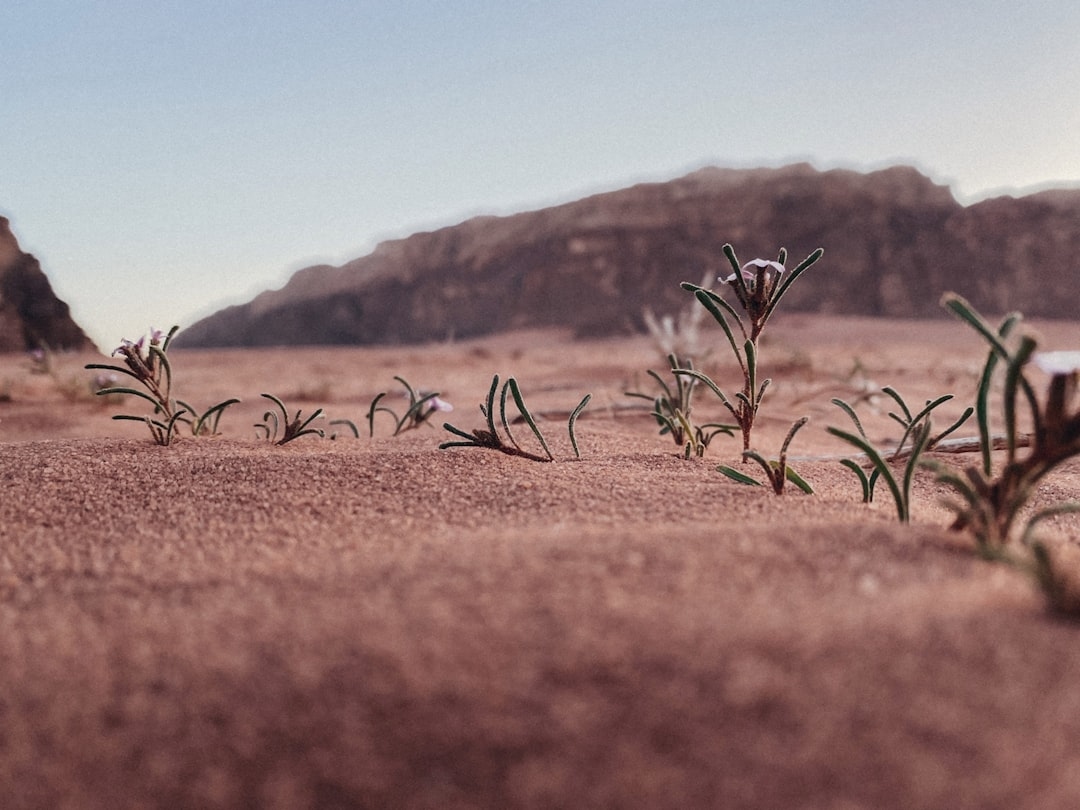
Most flowering plants need consistent moisture, moderate temperatures, and rich soil. Desert flowers operate by entirely different rules. They\’ve developed thick, waxy coatings to prevent water loss, deep taproots that chase underground moisture, and seeds that can lie dormant for years — sometimes decades — waiting for the right conditions.
The Mojave Desert, for example, sees less than 5 inches of rain per year. Yet after a wet winter, it can explode into a phenomenon called a “superbloom,” where millions of wildflowers blanket the landscape simultaneously. The seeds were always there. They were just waiting.
Temperature swings also shape these plants dramatically. Desert nights can drop 40–50°F below daytime highs. Flowers that thrive here aren\’t just drought-resistant — they\’re thermally resilient in ways most garden varieties simply aren\’t.
Popular Desert Flowers You Should Know
Saguaro Cactus Blossom (Carnegiea gigantea)
The official state wildflower of Arizona, the saguaro blossom is creamy white with a golden center, blooming only at night in May and June. Each flower lasts less than 24 hours. The saguaro itself takes 75 years to grow its first arm — so you\’re looking at a flower with serious patience built in.
Desert Marigold (Baileya multiradiata)
Bright yellow and cheerful, desert marigolds bloom from spring through fall across the Sonoran and Chihuahuan deserts. They\’re one of the longest-blooming desert flowers, often producing color for 8–9 months out of the year. In USDA zones 7–11, they\’ll reseed themselves and come back annually with almost no intervention.
Cliffrose (Purshia mexicana)
Often mistaken for a wild rose, cliffrose produces clusters of creamy five-petaled flowers with a sweet fragrance. It\’s native to the Colorado Plateau and Great Basin regions and tolerates poor, rocky soil that would kill most ornamentals.
Prickly Pear Cactus Flower (Opuntia)
This one surprises people every time. Prickly pear produces satiny blooms in vivid yellow, orange, hot pink, and red. The flowers are large — sometimes 3 inches across — and appear in late spring. Over 150 Opuntia species exist across North America, many of them cold-hardy into USDA zone 4.
Brittlebush (Encelia farinosa)
A shrubby plant covered in silvery-gray leaves, brittlebush erupts in cheerful yellow daisy-like flowers each spring. It\’s one of the most common wildflowers you\’ll see along Arizona roadsides and in the Sonoran Desert. Extremely low maintenance and drought-tolerant once established.
Desert Flowers vs. Succulents: Not the Same Thing
A lot of people confuse desert flowering plants with succulents, and while there\’s overlap, they\’re not interchangeable. Succulents are defined by their fleshy, water-storing tissues — think aloe, echeveria, and haworthia. Many succulents do bloom, but they\’re not classified as flowers in the traditional sense.
True desert flowers like desert marigold or brittlebush are herbaceous or woody flowering plants that happen to be drought-adapted. The distinction matters when you\’re shopping: a “desert succulent” at a nursery won\’t give you the same wildflower aesthetic as a blooming penstemon or globe mallow.
For small-space growers, this distinction is practical. Succulents tolerate more neglect and compact containers. Flowering desert plants often need more root room and direct sun — at least 6 hours daily — to produce blooms reliably.
Growing Desert Flowers in a Small Space
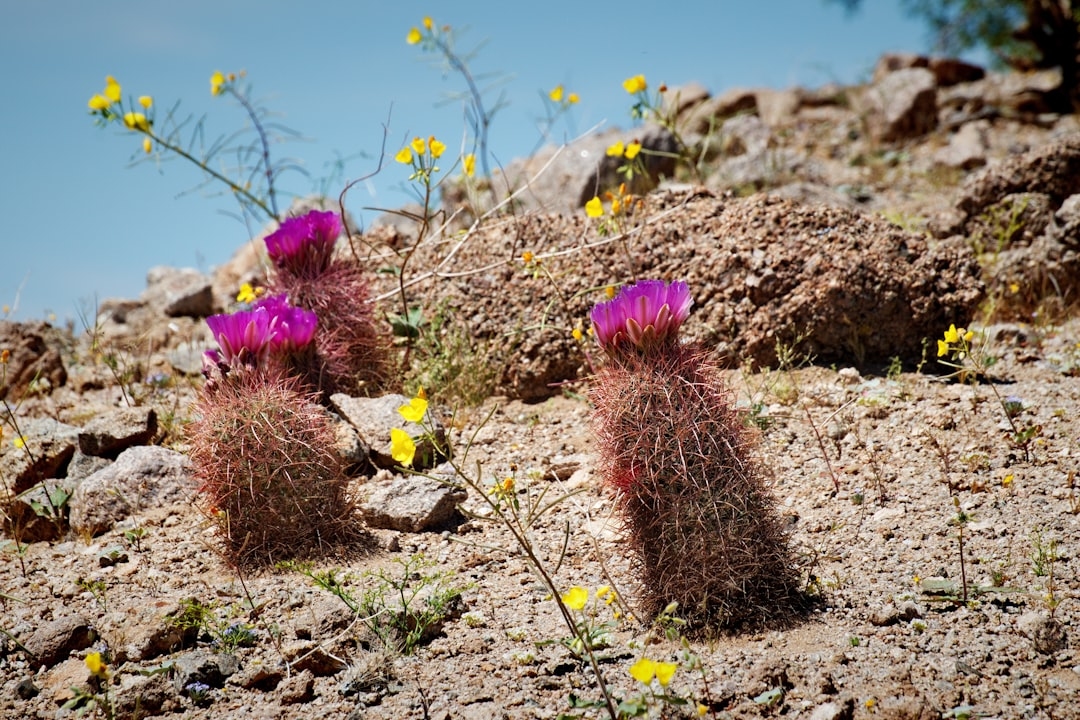
Good news for apartment dwellers: several desert flowers adapt well to containers. Here\’s what works best in limited square footage.
- Globe Mallow (Sphaeralcea ambigua): Apricot-orange blooms on 2–3 foot stems. Does well in a 10–12 inch pot on a south-facing balcony.
- Desert Zinnia (Zinnia acerosa): Tiny white flowers on a compact, mounding plant under 12 inches tall. Perfect for a windowsill with strong sun.
- Penstemon (various species): Tubular flowers in red, purple, and pink. Many varieties stay under 18 inches and attract hummingbirds, even in urban settings.
- Angelita Daisy (Tetraneuris acaulis): Yellow blooms nearly year-round in zones 4–9. Stays under 10 inches tall, thrives in terracotta pots with fast-draining cactus mix.
The single most important rule for container desert flowers: drainage. Use cactus and succulent potting mix, and never leave pots sitting in trays of water. Root rot kills these plants faster than drought ever would.
Common Mistakes to Avoid
- Overwatering: The number one killer of desert plants in containers. Water deeply, then let the soil dry out completely — usually every 10–14 days in summer, less in winter.
- Wrong soil: Standard potting mix retains too much moisture. Always use a fast-draining cactus blend or mix in 30–50% perlite.
- Not enough light: Most desert flowers need 6–8 hours of direct sun daily. A north-facing window won\’t cut it.
- Planting too deep: Desert plants are adapted to shallow, rocky soils. Burying the crown too deep invites rot.
- Skipping the hardiness check: Not all desert plants are frost-tolerant. Brittlebush, for example, is only hardy to zone 8. If you\’re in Chicago, it\’s an annual or indoor plant.
When Desert Flowers Bloom (A Quick Seasonal Guide)
Timing varies by species and region, but here\’s a general framework for North American desert flowers:
- Late Winter – Early Spring (February–April): Peak wildflower season in the Sonoran and Mojave deserts. Look for Mexican poppies, lupine, and phacelia.
- Spring (April–June): Saguaro blossoms, prickly pear, and penstemon peak. This is the most dramatic bloom window in the Southwest.
- Summer (June–August): Desert marigold and globe mallow continue blooming despite intense heat. Most other flowers pause.
- Fall (September–November): A second, smaller bloom season follows monsoon rains in Arizona and New Mexico.
Frequently Asked Questions About Desert Flowers
What is the most common desert flower in the United States?
The desert marigold (Baileya multiradiata) is one of the most widespread, found across Arizona, New Mexico, Texas, and into Mexico. It blooms for up to 9 months annually and thrives in USDA zones 7–11 with minimal water.
Can desert flowers grow indoors?
Some can, but most require more direct sunlight than a typical indoor environment provides. Your best bets are a very sunny south-facing window with a grow light supplement, or a heated sunroom. Desert zinnia and certain penstemon varieties are among the most adaptable for indoor conditions.
Do desert flowers need fertilizer?
Generally no — and over-fertilizing can actually harm them. These plants evolved in nutrient-poor soil. A light application of low-nitrogen fertilizer once in early spring is plenty. Too much nitrogen promotes leafy growth at the expense of blooms.
What\’s the easiest desert flower to grow for beginners?
Desert marigold is a strong first choice for beginners. It\’s forgiving of inconsistent watering, reseeds itself, and blooms prolifically with minimal care. Angelita daisy is a close second for small containers.
Are desert wildflowers protected by law?
In many states, yes. In Arizona, it\’s illegal to remove or damage native plants — including wildflowers — without a permit. Always buy from reputable nurseries rather than collecting plants or seeds from public lands.
Ready to Bring Some Desert Color Home?
Start small. Pick one container-friendly species — angelita daisy or desert zinnia are ideal for beginners — grab a bag of cactus mix, and choose your sunniest window or balcony spot. You don\’t need a yard or a green thumb. You need good drainage and direct sun.
If you want to see desert flowers on a bigger scale, plan a trip to the Sonoran Desert between March and May. The Arizona-Sonora Desert Museum in Tucson is one of the best places in the country to see labeled, thriving specimens up close. Superbloom years — which happen when winter rainfall exceeds 1 inch — are worth tracking through the California Poppy Reserve in Antelope Valley or Anza-Borrego Desert State Park.
These plants survived millions of years of heat, drought, and poor soil. In a container on your patio, they\’ll practically take care of themselves.