Contents:
- Why Flowers Dominate the Fragrance World
- The Most Important Flowers Used in Perfume
- Rose — The Undisputed Standard
- Jasmine — The Night Flower That Changed Everything
- Ylang-Ylang — The Tropical Wildcard
- Tuberose — The Most Powerful Flower in Perfumery
- Lavender — The Bridge Between Flower and Herb
- Neroli and Orange Blossom — Two Faces of the Same Tree
- Regional Differences in Flower Quality and Sourcing
- Practical Tips for Fragrance Enthusiasts in Small Spaces
- Quick Cost Breakdown: What Floral Ingredients Actually Cost
- FAQ: Flowers Used in Perfume Making
- What flower is most commonly used in perfume?
- Which flower produces the most expensive perfume ingredient?
- Are the flowers in perfume real or synthetic?
- Can you make perfume from flowers at home?
- What flower in perfume lasts the longest on skin?
- Where to Go From Here
What exactly are you breathing in when you spray on a perfume that smells like a garden in bloom? The flowers used in perfume making are some of the most carefully cultivated, expensively harvested, and chemically complex botanical materials on the planet — and a handful of them have shaped the fragrance industry for centuries.
This isn\’t abstract chemistry. These are real plants, grown in specific regions, picked at specific hours of the day, and processed using methods that haven\’t changed much since the 17th century. Understanding which flowers go into perfume — and why — changes the way you smell everything.
Why Flowers Dominate the Fragrance World
Flowers produce aromatic compounds as a survival mechanism — to attract pollinators, repel predators, or signal ripeness. For perfumers, those compounds are raw material. The challenge is that most flowers can\’t simply be steam-distilled like herbs. Their delicate molecules break down under heat, which is why perfumers developed alternative extraction methods including enfleurage, solvent extraction, and CO2 extraction.
The result of extraction is either an absolute (a highly concentrated, wax-free aromatic liquid) or an essential oil. Absolutes are more common in fine fragrance because they capture more of the flower\’s true scent profile. A rose absolute, for instance, retains nuances that steam-distilled rose oil loses entirely.
One key data point: it takes approximately 3.5 to 5 metric tons of rose petals to produce just 1 kilogram of rose absolute. That\’s why a gram of high-quality Bulgarian rose absolute can cost $350–$600 on the wholesale market.
The Most Important Flowers Used in Perfume
Rose — The Undisputed Standard
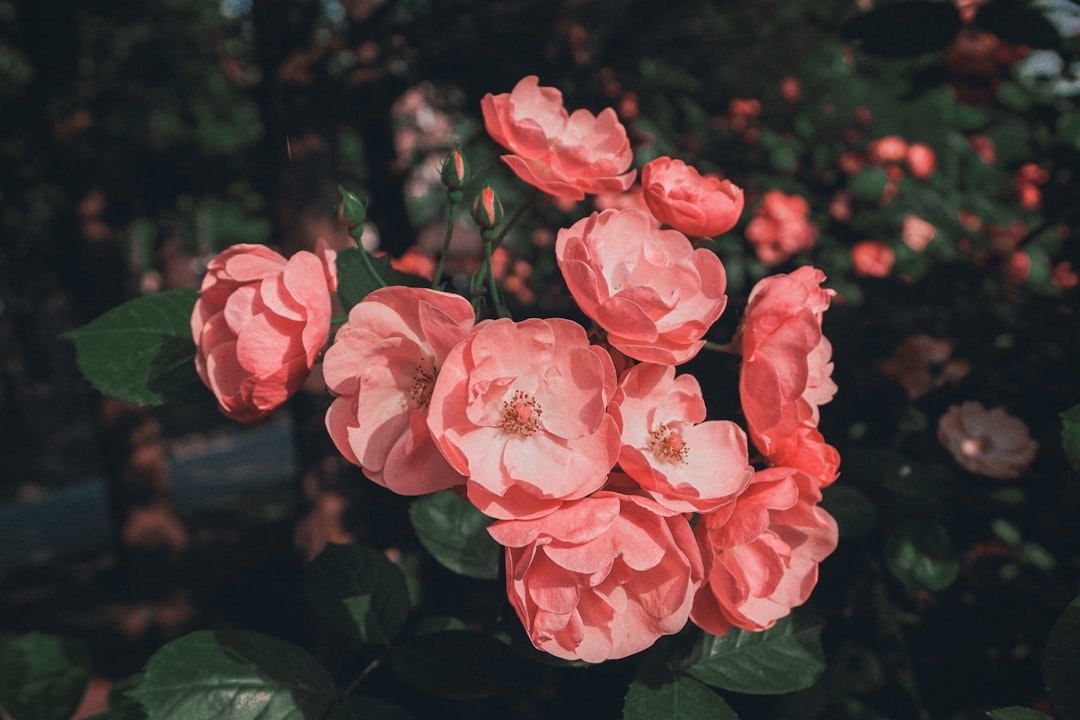
Two species dominate commercial rose production for fragrance: Rosa damascena (Damask rose) and Rosa centifolia (Cabbage rose). Damask roses are primarily grown in Bulgaria\’s Rose Valley and in Turkey, while centifolia roses come mainly from Grasse, France — the historic capital of the perfume industry.
The scent profile differs meaningfully. Bulgarian Damask rose reads as rich, honeyed, and slightly spicy. Grasse centifolia is softer, more powdery, and green. Most iconic rose fragrances — Chanel No. 5, Lancôme La Vie est Belle — use a blend of both.
Roses must be harvested by hand between 5 and 10 a.m., before the heat of the day causes volatile compounds to evaporate. A single experienced picker harvests about 10–15 kg of petals per day.
Jasmine — The Night Flower That Changed Everything
Jasminum grandiflorum, the variety used in perfumery, blooms and intensifies its scent after dark. This is why jasmine pickers in Grasse and in the Kannauj region of India work through the night. The flowers must be processed within hours of harvest or the scent degrades.
Jasmine absolute is one of the most expensive floral materials in existence. Wholesale prices for Grasse jasmine absolute regularly exceed $5,000 per kilogram. Indian jasmine from Kannauj costs significantly less — around $500–$800/kg — and is used more widely in mass-market fragrance.
The scent is indolic, meaning it carries a slightly animalic, almost fleshy quality beneath the sweetness. That\’s not a flaw. It\’s what gives jasmine-forward fragrances like Dior J\’adore their depth and skin-like warmth.
Ylang-Ylang — The Tropical Wildcard
Cananga odorata grows primarily in Madagascar, the Comoros Islands, and Indonesia. The flowers are distilled in fractions, with each fraction producing a distinct character. “Extra” grade (first distillation) is intensely floral and almost narcotic. Later fractions — second, third, and “complete” — are softer and more rounded.
Ylang-ylang is a workhorse in perfumery precisely because it\’s affordable relative to rose or jasmine, yet it adds enormous volume and sweetness. It\’s a core note in Chanel No. 5, where it contributes to the powdery aldehydic heart. Expect to pay $50–$120/kg at wholesale for standard grades.
Tuberose — The Most Powerful Flower in Perfumery
Polianthes tuberosa is grown primarily in India (especially Rajasthan) and Egypt. It cannot be steam-distilled at all — its compounds degrade immediately under heat — so only solvent extraction or enfleurage yields a usable absolute.
The scent is intense: creamy, rubbery, waxy, with a green stem-like quality underneath. Carnal Flower by Frédéric Malle and Fracas by Robert Piguet are built almost entirely around tuberose. Wholesale tuberose absolute runs $800–$1,200/kg, making it a prestige ingredient reserved for niche and luxury perfumes.
Lavender — The Bridge Between Flower and Herb
Technically an aromatic herb, lavender (Lavandula angustifolia) straddles the boundary between floral and herbal. True lavender grown at high altitude in Provence — above 800 meters — produces the most refined essential oil, with a clean, sweet, slightly camphoraceous profile. Lower-altitude lavandin hybrids are sharper and more medicinal.
Lavender essential oil is one of the few floral-adjacent materials an apartment grower in the US can actually produce at home. A half-dozen plants in a sunny south-facing window or balcony pot will yield enough dried material for homemade sachets or infused oils. Don\’t expect perfume-grade extraction without equipment, but the aromatic experience is real and accessible.
Neroli and Orange Blossom — Two Faces of the Same Tree
Both come from Citrus aurantium, the bitter orange tree. Neroli is the steam-distilled essential oil; orange blossom absolute is the solvent-extracted version. They smell related but distinct — neroli is brighter, more citrus-forward, and slightly metallic. Orange blossom absolute is richer, honeyed, and more animalic.
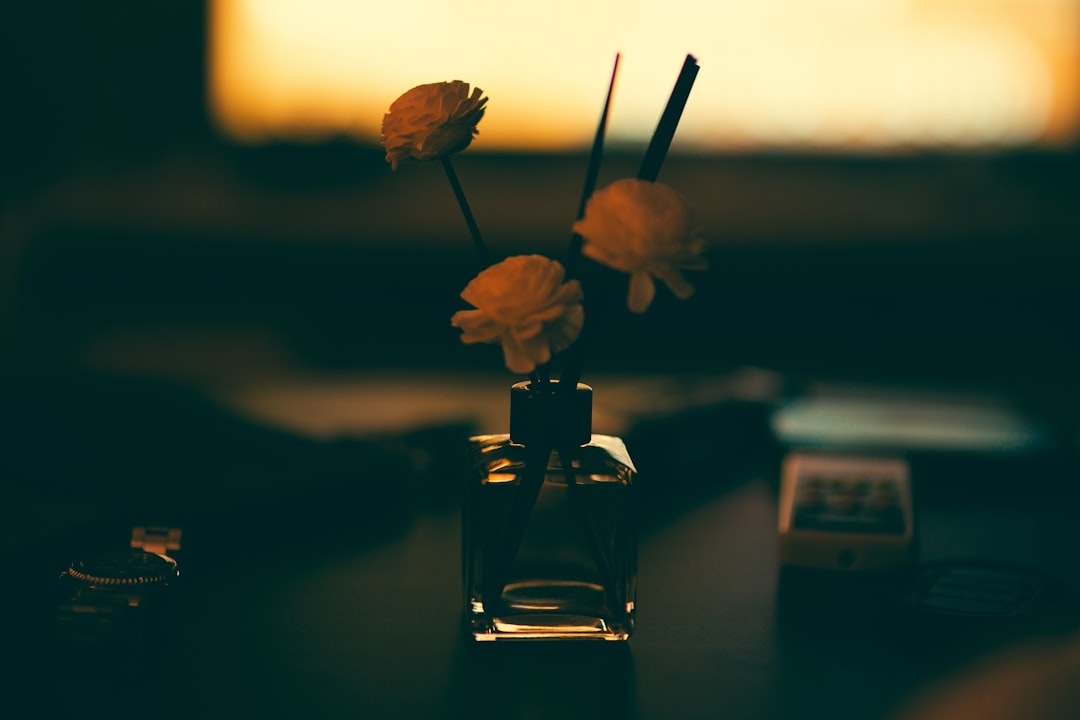
Morocco and Tunisia supply most of the world\’s bitter orange blossom crop. Neroli essential oil wholesale runs $600–$900/kg. Orange blossom absolute is considerably more expensive: $2,000–$3,500/kg depending on the harvest year.
Regional Differences in Flower Quality and Sourcing
In the US, regional climate heavily influences which aromatic flowers grow well and which fragrance profiles dominate local taste.
The Northeast — with its cold winters and humid summers — favors roses (especially rugosa varieties), lilac, and lily of the valley. These clean, green, damp-air florals show up heavily in New England perfumers\’ palettes and in the regional preference for fresh, aquatic fragrances rather than heavy orientals.
The South has a natural affinity for gardenia, magnolia, and tuberose. These heady, humid-climate flowers thrive from the Carolinas through Louisiana and inform the Southern preference for rich, enveloping floral fragrances. Gardenia (Gardenia jasminoides) is notable because true gardenia absolute is extraordinarily rare and expensive — most “gardenia” fragrances are entirely synthetic reconstructions.
On the West Coast, the Mediterranean climate of California supports lavender, rosemary-adjacent florals, and citrus blossom. California-grown lavender has developed a regional identity, with farms in the Central Valley and Sonoma producing essential oils that compete credibly with French imports in artisan markets.
Practical Tips for Fragrance Enthusiasts in Small Spaces
- Grow your own aromatic raw materials. Lavender, rose-scented geranium (Pelargonium graveolens), and jasmine sambac all do well in pots on a sunny balcony or windowsill. Rose-scented geranium in particular is low-maintenance and smells convincingly rosy with a minty green edge.
- Buy quality samples before committing to full bottles. Sites like Surrender to Chance or Luckyscent sell 1ml samples for $3–$8. Test at least 3–4 wears before purchasing a full bottle priced over $100.
- Learn the vocabulary. When a fragrance lists “jasmine absolute” versus “jasmine synthetic” (like Hedione or Methyl Dihydrojasmonate) in its notes, the price and smell profile will differ significantly. Absolutes behave differently on skin — they evolve, deepen, and last longer.
- Store fragrances away from heat and light. In a small apartment, a closet shelf beats a bathroom counter every time. Heat and UV degrade top notes fast, especially citrus and light florals like neroli.
Quick Cost Breakdown: What Floral Ingredients Actually Cost
To understand why niche perfumes cost $200–$500 per 50ml, consider the ingredient economics:
- Rose absolute (Bulgarian): $350–$600/kg wholesale
- Jasmine absolute (Grasse): $4,500–$6,000/kg wholesale
- Tuberose absolute: $800–$1,200/kg wholesale
- Neroli essential oil: $600–$900/kg wholesale
- Ylang-ylang extra: $50–$120/kg wholesale
- Lavender (high-altitude Provence): $80–$200/kg wholesale
A 50ml bottle of fine fragrance contains roughly 5–7ml of concentrate, which itself is diluted from raw materials at concentrations of 10–30%. Even at those dilution levels, a single bottle of a Grasse jasmine-heavy fragrance can contain $15–$40 worth of jasmine absolute alone — before any other ingredient, labor, packaging, or retail markup.
FAQ: Flowers Used in Perfume Making
What flower is most commonly used in perfume?
Rose is the most widely used flower in perfume making, specifically Rosa damascena and Rosa centifolia. Rose absolute or rose otto appears in an estimated 75% of women\’s fine fragrances in some concentration.
Which flower produces the most expensive perfume ingredient?
Grasse jasmine absolute is typically the most expensive floral ingredient, often exceeding $5,000 per kilogram at wholesale. Bulgarian rose absolute is a close second at $350–$600/kg.
Are the flowers in perfume real or synthetic?
Both. Luxury and niche perfumes often use genuine floral absolutes or essential oils. Mass-market fragrances rely heavily on synthetic aromachemicals that mimic or enhance floral notes — sometimes because the natural material is too expensive, sometimes because synthetics offer better stability or a cleaner scent profile.
Can you make perfume from flowers at home?
Yes, at a basic level. Enfleurage — pressing fresh petals into odorless fat to absorb their scent — is the oldest extraction method and requires no equipment. The result won\’t match commercial absolutes in intensity, but it\’s a functional aromatic extract. Rose petals, lavender, and jasmine sambac work best for home enfleurage.
What flower in perfume lasts the longest on skin?
Tuberose and ylang-ylang absolutes are among the most tenacious floral materials — both are heavy molecules that bind well to skin and fabric. Lighter florals like neroli and lilac fade much faster, typically within 2–4 hours, while tuberose can persist for 8–12 hours.
Where to Go From Here
The best next step is direct experience. Order a sample set from a niche house that uses named floral ingredients — Frédéric Malle, Serge Lutens, or even smaller US-based houses like DS & Durga or Imaginary Authors. Wear them back to back on different days and pay attention to how each floral material behaves differently on your skin chemistry.
If you want to go deeper, the Osmothèque in Versailles maintains a library of over 4,000 fragrances, including discontinued classics. For US-based education, the Natural Perfumers Guild offers courses specifically focused on botanical raw materials. Knowing what\’s inside the bottle doesn\’t diminish the magic — it makes the whole experience more honest, and more interesting.