Contents:
- What Does “Bloom Once and Die” Actually Mean?
- Flowers That Bloom Once and Die: The Main Players
- Classic Biennials
- Monocarpic Perennials — Including the Slow-Burn Agave
- Common Garden Annuals That Bloom and Die
- Why Do These Plants Bloom Once and Die?
- How to Use These Plants Without Wasting Money
- The Eco-Friendly Case for One-and-Done Bloomers
- Common Mistakes to Avoid
- Flowers That Bloom Once Die: Picking the Right Ones for Your Zone
- Frequently Asked Questions
- What are flowers called that bloom once and then die?
- Do all annual flowers only bloom once?
- Can you stop a monocarpic plant from dying after it blooms?
- What is the most dramatic flower that blooms once and dies?
- Are biennial flowers worth growing if they die after two years?
- Make the Most of Your One-Time Bloomers
In Victorian England, gardeners had a word for plants that flowered only once before dying: semelparity. Scientists borrowed it from biology, where it describes organisms that reproduce once in their lifetime and then perish. The Victorians were fascinated by these plants — not sad about them. They planted foxgloves in cottage borders specifically because of their dramatic, one-time show. The fleeting nature of the bloom made it more precious, not less.
That same instinct is worth holding onto today. Understanding which flowers bloom once die is genuinely useful knowledge — it shapes how you plant, how you budget, and how you plan your garden\’s seasonal rhythm. And once you know why it happens, these plants stop feeling like disappointments and start feeling like bold design choices.
What Does “Bloom Once and Die” Actually Mean?
There are two distinct categories here, and they get mixed up a lot.
Monocarpic plants flower once in their entire lifetime — whether that\’s one year, two years, or even several decades — and then die after setting seed. The death is triggered by the act of flowering itself. Once the plant puts its full energy into producing seeds, it has completed its biological mission and shuts down.
Annual plants complete their entire life cycle — germination, growth, flowering, seed production, death — within a single growing season. They bloom once per plant, though they may repeat-bloom for weeks before dying off in fall or frost.
True perennials are neither of these. A peony, for example, blooms once per season but comes back year after year. That\’s not the same thing. The distinction matters when you\’re planning a garden budget, because replacing monocarpic plants requires deliberate replanting or letting them self-seed.
Flowers That Bloom Once and Die: The Main Players
Classic Biennials
Biennials are the most common group people encounter. They germinate and grow foliage in year one, then flower and die in year two. Foxglove (Digitalis purpurea) is the quintessential example — it produces a tall spike of tubular blooms in its second summer, sets thousands of tiny seeds, and then dies. Plant them in a shaded border for $3–5 per packet of seeds and you\’ll get a stunning 4–5 foot display. Hollyhock (Alcea rosea) follows the same pattern, with towering stalks reaching up to 8 feet in USDA zones 3–9. Sweet William (Dianthus barbatus) is another beloved biennial with dense, clove-scented flower clusters.
Monocarpic Perennials — Including the Slow-Burn Agave
Here\’s where it gets genuinely dramatic. The century plant (Agave americana) lives for 10 to 30 years, quietly building up a massive rosette of thick, spiky leaves. Then, one spring, it sends up a flowering stalk that can reach 20 to 40 feet tall. It blooms once — spectacularly — and dies. The entire plant. The stalk alone can grow up to a foot per day during its surge phase. If you\’re in USDA zones 8–11, you may witness this once in a lifetime.
Several bromeliads work similarly. The common bromeliad (Aechmea fasciata) blooms once and then dies, though it typically produces offsets (called “pups”) that can be separated and grown on — effectively giving you free plants every cycle.
Common Garden Annuals That Bloom and Die
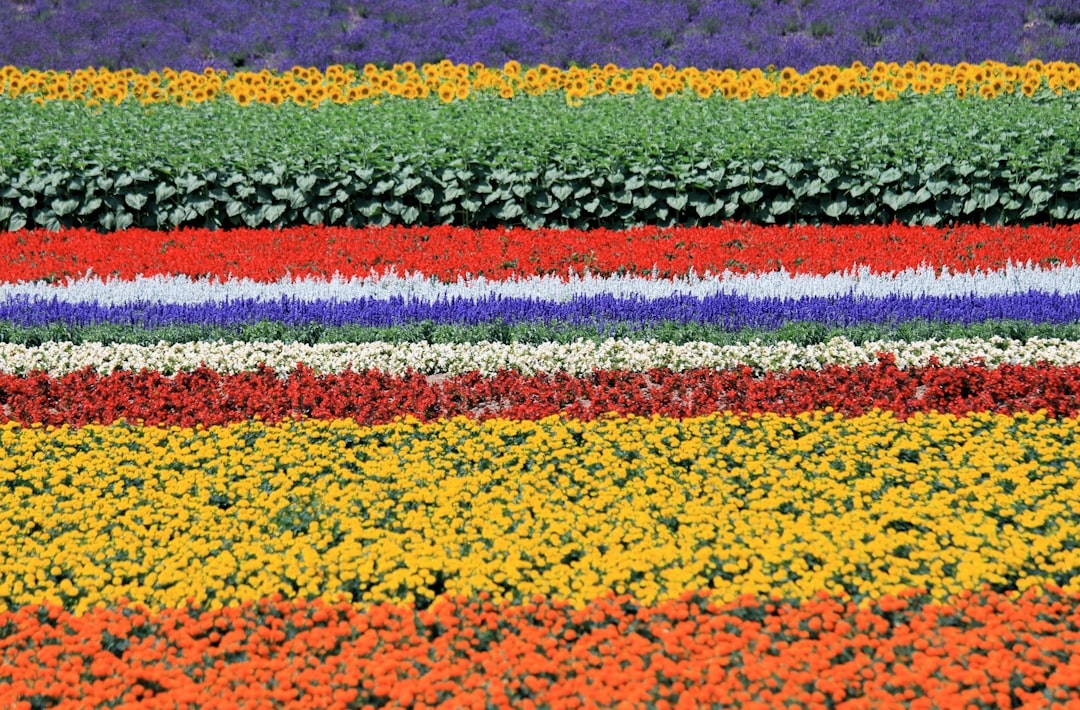
These are the workhorses of budget gardening. Zinnias, marigolds, petunias, cosmos, and bachelor\’s buttons all complete their full cycle in one season. A $2.50 packet of zinnia seeds can yield 30–50 plants that bloom continuously from July through frost — then die. They\’re not monocarpic in the strict sense (they repeat-bloom rather than flowering just once), but they do die at season\’s end and must be replanted. Growing from seed rather than buying transplants can cut costs by 60–70% per plant.
Why Do These Plants Bloom Once and Die?
It comes down to reproductive strategy. Plants that die after flowering are making a calculated biological trade-off: instead of investing energy in self-maintenance and repeat flowering, they pour every available resource into producing the maximum possible seed. The result is often a more spectacular bloom — larger, more abundant, more fragrant — than they could sustain as a perennial.
In the case of agaves and some bamboo species, the single flowering event can produce millions of seeds. The parent plant is, in effect, sacrificing itself so that its offspring have the best possible start. It\’s a strategy that has worked for millions of years.
How to Use These Plants Without Wasting Money
The budget-smart approach is succession planting. With biennials like foxglove, sow seeds every year so you always have both first-year seedlings and second-year flowering plants in the ground simultaneously. This gives you continuous blooms without gaps — and since you\’re growing from seed, costs stay under $10 per season for a full border.
For annuals, buy seed rather than transplants whenever possible. Direct-sow zinnias and cosmos after your last frost date — they don\’t transplant well anyway, and you\’ll save $3–5 per plant compared to nursery starts. A $3 packet of cosmos seeds can fill a 10-foot border.
Let self-seeders do the work for free. Foxglove, hollyhock, and sweet William all self-seed prolifically when you leave the spent flower heads in place. Mark where the seedlings come up in fall and you may never need to buy seeds again after the initial purchase.
The Eco-Friendly Case for One-and-Done Bloomers
There\’s a genuine sustainability argument for including monocarpic and annual plants in your garden. Because they complete their life cycle quickly, they can be grown without the chemical inputs (fertilizers, pesticides) that perennials sometimes need to maintain long-term health. Annuals grown from open-pollinated or heirloom seed — brands like Botanical Interests or Baker Creek offer extensive selections under $4 per packet — can be saved year after year, eliminating ongoing seed costs entirely.
Self-seeding biennials also support pollinators efficiently. Foxglove flowers are specifically shaped to accommodate bumblebees, and a single flowering plant can support dozens of pollinator visits per day during its bloom period. Letting them complete their natural cycle — bloom, seed, die — instead of deadheading keeps that seed bank intact and supports bird foraging in late summer.
Common Mistakes to Avoid
- Pulling out first-year biennials as “weeds.” Young foxglove and hollyhock rosettes look unassuming. Label them when you plant so you don\’t accidentally remove them before they flower.
- Deadheading too aggressively. Removing every spent flower prevents self-seeding. Leave at least a few seed heads on biennials and annuals if you want them to return.
- Expecting a monocarpic plant to rebloom. If your agave or bromeliad has flowered, it will not flower again. The parent plant is done. Focus on harvesting the offsets or seeds instead.
- Planting all biennials at the same time. If you sow an entire batch of foxglove seeds in spring, they\’ll all flower — and all die — in the same summer two years later. Stagger your sowings over two to three years for continuous color.
- Overwatering annuals to “keep them going.” Excess water, especially late in the season, accelerates decline and promotes root rot. Let them run their course naturally.
Flowers That Bloom Once Die: Picking the Right Ones for Your Zone
Not every one-time bloomer suits every climate. Here\’s a practical breakdown:
- Zones 3–7: Foxglove, hollyhock, sweet William, and most annual zinnias and cosmos thrive here. Start biennial seeds indoors in late spring for outdoor transplant in early summer.
- Zones 8–10: Agave americana, certain bromeliads, and desert annuals like desert marigold (Baileya multiradiata) are well-suited. Annual performance may shift — some “annuals” in northern zones behave as short-lived perennials in warmer climates.
- Zone 11: Tropical bromeliads and agaves dominate here. Standard garden annuals may struggle with heat; look for heat-tolerant varieties specifically bred for southern climates.
Frequently Asked Questions
What are flowers called that bloom once and then die?
Plants that flower once in their entire lifetime and then die are called monocarpic plants. This includes biennials (like foxglove and hollyhock, which take two years), as well as long-lived plants like certain agaves that may take decades before their single bloom. Annual flowers also bloom and die within one season, though they\’re a separate category.
Do all annual flowers only bloom once?
No — many annual flowers bloom repeatedly throughout a single season before dying at the end of the year. Zinnias, marigolds, and petunias will bloom continuously from summer through the first frost if deadheaded regularly. The plant itself dies after one season, but it doesn\’t produce just a single bloom event.
Can you stop a monocarpic plant from dying after it blooms?
No. Once a monocarpic plant like an agave or foxglove begins flowering, the process of senescence (programmed cell death) is already underway. Removing the flower stalk will not save the plant. Your best option is to collect seeds or harvest offsets (in the case of bromeliads and agaves) before the parent plant dies.
What is the most dramatic flower that blooms once and dies?
The century plant (Agave americana) is widely considered the most dramatic. It lives for 10–30 years, then sends up a flowering stalk that can reach 20–40 feet tall, blooms massively, and dies. Certain species of Puya (a bromeliad genus from South America) are also remarkable — Puya raimondii can live for 80–100 years before producing its single enormous flower spike.
Are biennial flowers worth growing if they die after two years?
Absolutely — especially for budget gardeners. Once established, biennials like foxglove self-seed freely, which means a single $3–4 seed packet can supply your garden indefinitely. They also tend to be extremely hardy and require minimal care compared to many perennials. The two-year wait for the first bloom is the only real downside.
Make the Most of Your One-Time Bloomers
The flowers that bloom once and die aren\’t the tragic characters of the garden — they\’re often the most memorable ones. A 30-foot agave spike. A foxglove border humming with bumblebees. A cosmos patch that reseeds itself for free for the next decade. These plants ask you to plan a little more deliberately, and they reward that planning generously.
Start small: pick up a packet of foxglove or hollyhock seeds this season (under $4 at most garden centers or online), sow half now and half next spring, and let the staggered planting do the work. You\’ll have a self-sustaining display that costs less to maintain each year — and you\’ll never look at a “dying” plant the same way again.