Contents:
- Why Some Flowers Are More Photogenic Than Instagram-Worthy Flowers
- Top Instagram-Worthy Flowers by Category
- Statement Blooms: Go Big or Go Home
- Texture and Wildness: The Soft-Focus Favorites
- Color Bombs: Maximum Impact, Minimum Effort
- Regional Stars Worth Knowing
- Practical Tips for Shooting Flowers That Actually Look Good
- Eco-Friendly Choices That Still Photograph Beautifully
- Frequently Asked Questions
- What are the most Instagram-worthy flowers for a home garden?
- Which flowers look best in flat lay photos?
- What are affordable instagram worthy flowers for bouquets?
- Are there Instagram-worthy flowers that are also eco-friendly?
- What flower colors photograph best on Instagram?
- Start With One Variety and Build From There
Floral content generates over 4 billion views per month on Instagram alone — and yet most of those viral posts feature fewer than a dozen flower varieties. Knowing which blooms photograph best isn\’t just for florists or influencers. It\’s useful knowledge for anyone who wants a garden, bouquet, or centerpiece that earns a second look. These are the instagram worthy flowers that consistently dominate feeds, and more importantly, how to grow or buy them without blowing your budget.
Why Some Flowers Are More Photogenic Than Instagram-Worthy Flowers
Photography loves contrast, texture, and color saturation. Flowers that perform well on camera typically share a few traits: layered petals that create depth, colors that pop against green foliage, and a shape that reads clearly even at thumbnail size. Flat, single-petal flowers like daisies are charming in person but often disappear in a busy composition. Lush, full blooms fill a frame and reward close-up shots.
Lighting matters too. Flowers with translucent petals — think poppies and ranunculus — glow when backlit by morning sun. That natural luminance is nearly impossible to fake with a filter.
Top Instagram-Worthy Flowers by Category
Statement Blooms: Go Big or Go Home
Dahlias are arguably the queen of the Instagram garden. A dinner-plate dahlia can reach 12 inches across, and the geometric precision of its petals looks almost unreal on camera. Café au lait dahlias — a blush-meets-terracotta tone — became so popular that tuber prices jumped nearly 40% between 2020 and 2026. Start tubers in late spring after your last frost. In USDA zones 8–10, you can leave them in the ground year-round.
Garden roses (as opposed to standard florist roses) offer layers of 40 to 60 petals per bloom. Varieties like \’Juliet\’ and \’David Austin\’ roses photograph like something from a period drama. Expect to spend $15–$30 per bare-root plant, but a single established bush can produce dozens of blooms per season.
Texture and Wildness: The Soft-Focus Favorites
Pampas grass exploded on Instagram around 2018 and hasn\’t fully faded. Its feathery plumes — creamy white to dusty pink — photograph beautifully in boho-style setups. One caution: pampas grass is classified as invasive in California and parts of the Pacific Northwest. Residents in those regions should opt for native alternatives like Muhlenbergia capillaris (pink muhly grass), which offers a similar wispy aesthetic without the ecological risk.
Ranunculus looks like a rose had a baby with a peony. Layers of paper-thin petals give it that coveted depth. They\’re cool-season flowers, thriving in zones 8–11 as fall plantings and zones 4–7 as spring plantings. A bundle of 10 corms costs around $8–$12 — remarkably affordable for the visual payoff.
Color Bombs: Maximum Impact, Minimum Effort
Anemones offer a dramatic contrast that cameras love: deep jewel-toned petals (cobalt blue, burgundy, magenta) surrounding a jet-black center. They\’re also one of the most underrated budget flowers — a flat of 40 corms runs about $15 at most garden centers.
Lisianthus is frequently mistaken for a rose or peony in photos, which is exactly why photographers love it. It\’s fussier to grow from seed (germination takes 3–4 weeks under lights), but buying starts from a local nursery in spring keeps costs manageable. Expect to pay $4–$6 per plant.
Regional Stars Worth Knowing
Regional climate shapes which flowers thrive and which struggle. In the Northeast, tulips and peonies dominate spring feeds — both need a cold winter to bloom well. The South leans into camellias, azaleas, and magnolias, which photograph beautifully against Spanish moss or brick backdrops. On the West Coast, proteas and bird-of-paradise are practically native to the Instagram aesthetic — they\’re drought-tolerant, architecturally bold, and last up to three weeks in a vase.
If you\’re buying cut flowers rather than growing your own, farmers\’ markets almost always offer more variety at lower prices than grocery store bouquets. A mixed seasonal bunch at a farm stand typically runs $10–$18 and supports local growers — a small but real sustainability win.
Practical Tips for Shooting Flowers That Actually Look Good
- Shoot in the first two hours after sunrise. Soft directional light eliminates harsh shadows and brings out petal texture.
- Use a plain background. A white fence, dark foliage, or even a piece of foam board behind the bloom eliminates visual clutter.
- Mist the petals lightly. Water droplets add micro-detail and make colors appear more saturated.
- Angle matters. Most flowers photograph better at a 45-degree angle than straight-on. Full face shots work for sunflowers and dahlias; side profiles flatter roses and ranunculus.
- Edit minimally. Increase clarity and vibrance slightly rather than cranking up saturation — oversaturated petals lose detail fast.
Eco-Friendly Choices That Still Photograph Beautifully
The cut flower industry has a significant carbon footprint — roughly 80% of flowers sold in the US are imported, primarily from Colombia and Ecuador. Choosing locally grown, seasonal flowers cuts transportation emissions and typically means fresher, longer-lasting blooms. Look for the Certified American Grown label at florists and grocery stores.
If you\’re growing at home, native wildflowers like Echinacea (coneflower) and Rudbeckia (black-eyed Susan) photograph surprisingly well and support pollinators without requiring irrigation or synthetic fertilizers. They\’re also nearly indestructible in their native hardiness zones — a budget gardener\’s dream.
Frequently Asked Questions
What are the most Instagram-worthy flowers for a home garden?
Dahlias, garden roses, ranunculus, and anemones consistently perform best in garden photography. They offer layered petals, rich colors, and shapes that translate well to both wide shots and close-ups.
Which flowers look best in flat lay photos?
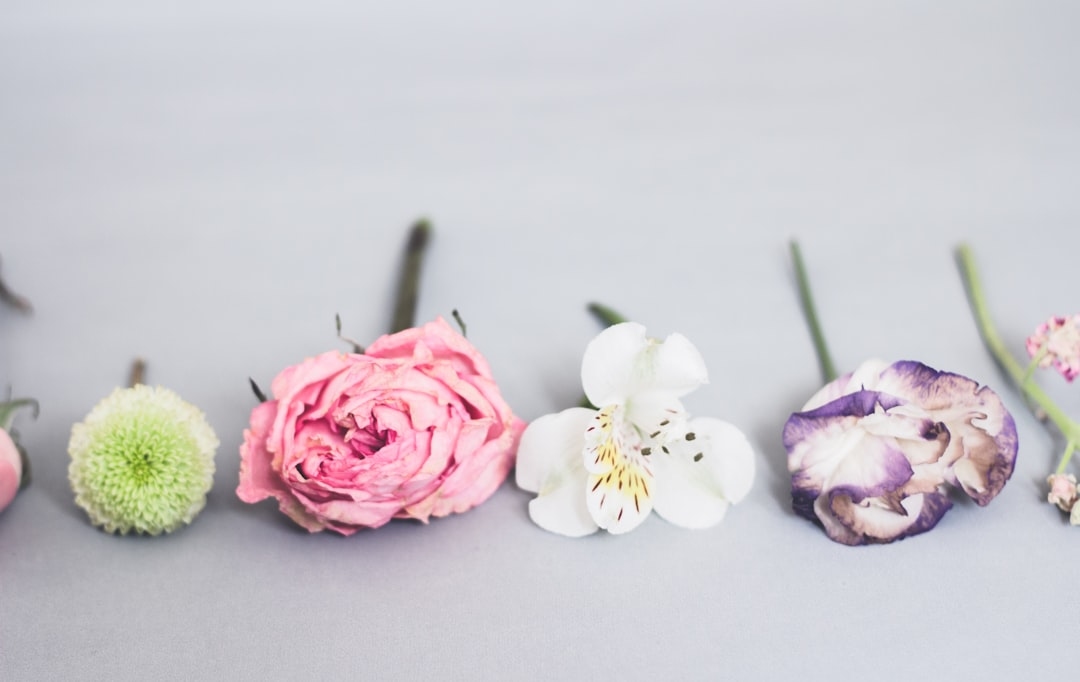
Flowers with a defined face and minimal depth work best in flat lays: ranunculus, lisianthus, anemones, and tulips. Pair them with eucalyptus or fern fronds to add texture without competing for attention.
What are affordable instagram worthy flowers for bouquets?
Ranunculus corms ($8–$12 per bundle), anemone corms ($15 per 40-pack), and lisianthus starts ($4–$6 each) offer the most visual impact per dollar. Buying from farmers\’ markets or growing your own cuts costs further.
Are there Instagram-worthy flowers that are also eco-friendly?
Yes. Look for Certified American Grown cut flowers, or grow native wildflowers like coneflower and black-eyed Susan. Both choices reduce carbon emissions and avoid pesticide-heavy imported blooms.
What flower colors photograph best on Instagram?
Jewel tones (cobalt, burgundy, deep magenta) and muted neutrals (blush, peach, ivory) perform consistently well. Bright yellow and pure white can blow out in direct sunlight, so softer tones are easier to shoot without losing detail.
Start With One Variety and Build From There
You don\’t need a cutting garden overflowing with exotic blooms to create scroll-stopping content. Pick one statement flower this season — a single dahlia tuber, a pot of ranunculus, or a bunch from the farmers\’ market — and focus on light, background, and angle. Master those three elements, and almost any flower becomes photogenic. Once you know what works in your space and your light, scaling up is just a matter of adding more of what already performs.